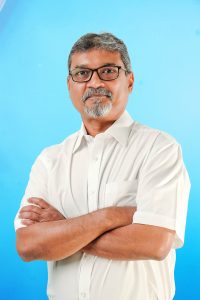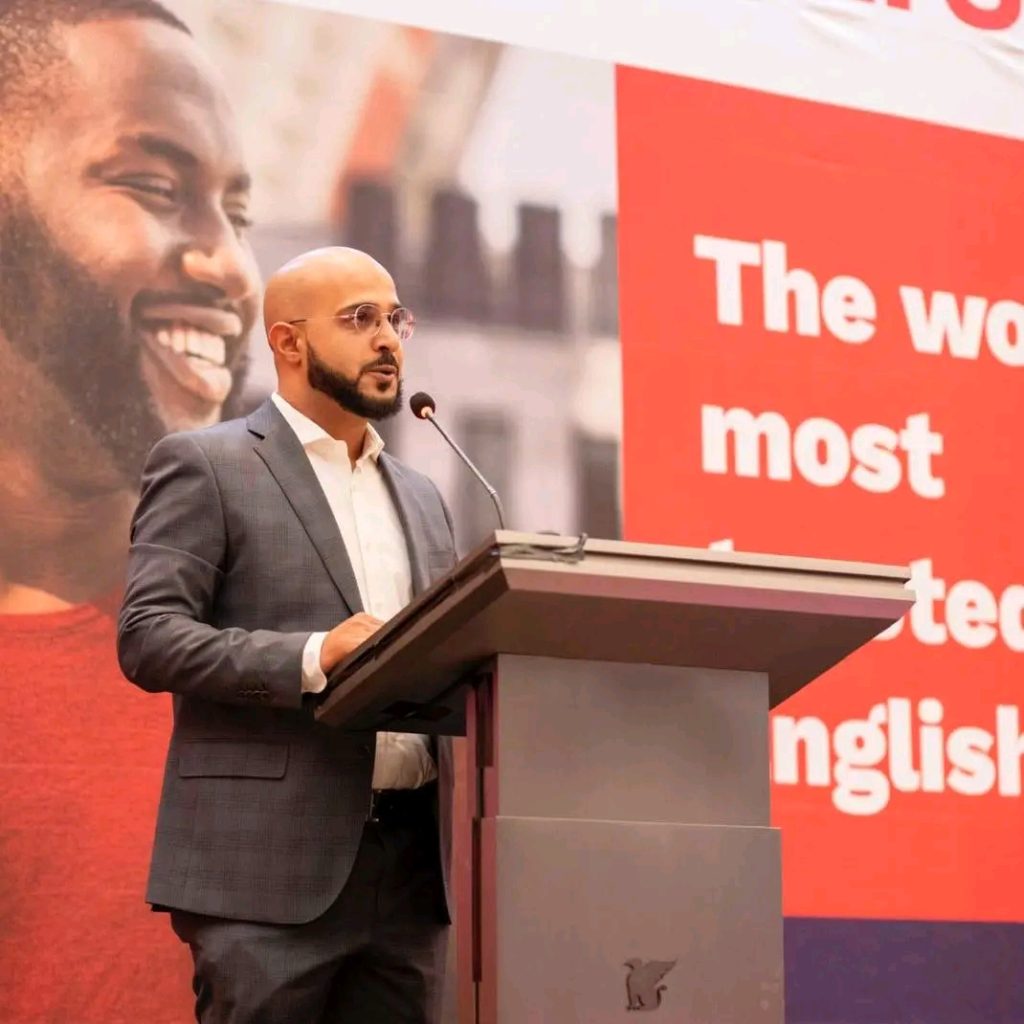
Hajji Omar is positioning his political message in Lang’ata around a simple but powerful proposition: Kenya’s politics must move beyond tribal divisions, empty rhetoric and politics of personal interest and embrace leadership built on unity, accountability, security and development.
In his recent interviews, Omar has delivered a strong message to the people of Lang’ata, calling for a new political culture in which communities are not mobilised against one another on the basis of ethnicity, but brought together by shared aspirations and common challenges.
Omar’s connection to Nairobi, he says, gives him a personal understanding of the diverse communities that make up the city. Born and raised in South C, he has highlighted his familiarity with areas including Mugumoini, Highrise, Karen and Nairobi West, describing the experience as part of the foundation of his understanding of Nairobi’s social and political landscape.
His appeal to Lang’ata residents is therefore not simply about winning political support. It is about building a relationship with citizens around issues that directly affect their daily lives.
At the centre of his proposed agenda are access to water, better roads, proper waste management, cleaner neighbourhoods, opportunities for young people and stronger support for small businesses.
But beyond development, Omar is placing national unity and security at the heart of his political message.
He has strongly condemned what he describes as backward tribal politics, warning that ethnic mobilisation only deepens divisions while distracting leaders from the real problems facing ordinary Kenyans.
For a constituency as diverse as Lang’ata, Omar argues that leadership should reflect the reality of modern Nairobi—a place where people from different communities live, work, trade and build their futures side by side.
He has also condemned terrorism and all forms of violent extremism, stressing that no political, religious or ideological cause can justify attacks on innocent civilians.
According to Omar, the fight against extremism must go beyond security operations and include creating opportunities for young people through education, skills development, employment and entrepreneurship.
His message comes at a time when Nairobi’s political landscape is becoming increasingly competitive and the question of what kind of leadership residents want is gaining prominence.
Omar is calling for a politics that listens before it speaks and delivers before it celebrates.
He wants regular grassroots engagements across Lang’ata so that residents can directly identify their priorities and participate in shaping the development agenda.
The broader argument running through his message is that politicians should not disappear after elections only to return when the next campaign begins. Leadership, he says, must remain present, accessible and accountable throughout the political cycle.
For Lang’ata, the emerging debate is therefore bigger than individual political ambitions. It is about whether the constituency can champion a new style of politics—one that rejects tribal mobilisation, condemns extremism, prioritises development and treats every resident as an equal stakeholder.
Omar’s message is ultimately a call for political maturity: a Lang’ata where diversity is a strength rather than a weapon, where young people see opportunity instead of desperation, and where leadership is measured by service, unity and tangible results.
As the political conversation gathers momentum, Hajji Omar is putting his case before the people of Lang’ata with a clear proposition: the future cannot be built on the divisions of the past; it must be built on unity, security, opportunity and accountable leadership.