By Njeri Irungu.
As the world marked Emergency Medicine Day on May 27, St. George’s University (SGU) School of Medicine in Grenada, West Indies, underscored the growing importance of emergency medicine specialists in addressing the increasing demands of modern healthcare systems across Africa and around the world.
The university noted that emergency medicine has emerged as one of the most vital frontline medical specialties as healthcare systems continue to evolve amid rising patient needs, disease outbreaks, and emergency health situations.
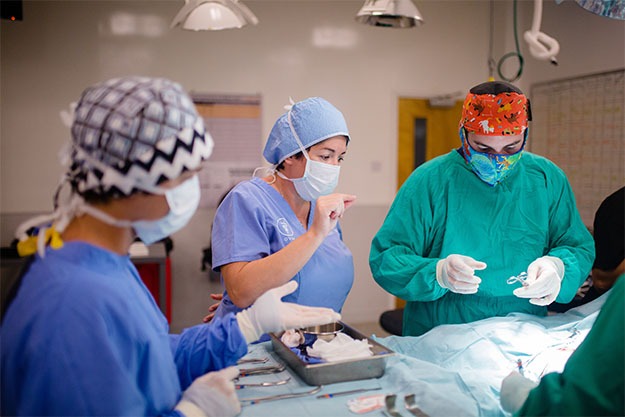
Often referred to as the “ultimate medical generalist,” emergency medicine requires physicians to rapidly assess, diagnose, and treat a broad spectrum of conditions ranging from traumatic injuries and cardiac emergencies to acute illnesses and mental health crises.
The specialty is becoming particularly important across Africa, where healthcare systems face mounting pressure from rapid population growth, road traffic accidents, infectious disease outbreaks, and limited emergency care capacity in many regions.
According to the African Development Bank’s Strategy for Quality Health Infrastructure in Africa 2022–2030, significant investments are needed to address healthcare infrastructure deficits across the continent. The World Health Organization has also emphasized the importance of emergency care in ensuring timely treatment for acute illness and injury.
Healthcare experts continue to advocate for stronger emergency care systems across Africa. A recent review published in the African Journal of Emergency Medicine found that emergency medical services coverage remains uneven, with earlier studies estimating that fewer than 10 percent of Africans have access to formal emergency medical services.
The review further highlighted persistent shortages of ambulances, trained personnel, and emergency response infrastructure in many countries, challenges that continue to affect access to life-saving care and reinforce the need for skilled emergency medicine professionals.
Unlike many other medical disciplines, emergency medicine presents physicians with a constantly changing environment where no two shifts are the same. Doctors must often make critical decisions under intense pressure while treating patients from diverse backgrounds and age groups.
“You never know what you’re going to get. You see young patients, you see old patients … from every walk of life, every background. I love it,” said Dr. Jessica Best, an SGU graduate from the Class of 2012 who currently practices as an emergency medicine physician.
While the specialty is widely recognized for its impact and fast-paced nature, it is also regarded as one of the most demanding fields in healthcare. Physicians frequently work long shifts, manage high patient volumes, and encounter traumatic situations that require resilience, adaptability, and strong decision-making abilities.
For aspiring medical professionals, emergency medicine offers broad clinical exposure, collaborative working environments, and opportunities to engage with emerging healthcare innovations such as telemedicine, simulation-based learning, and emergency preparedness programs.
Medical schools and training institutions play a critical role in preparing future emergency medicine specialists through multidisciplinary education, practical clinical training, and exposure to diverse healthcare settings.
Through its network of affiliated hospitals and healthcare centers in the United States and the United Kingdom, St. George’s University provides students with hands-on clinical experience designed to build the adaptability, confidence, and skills required to succeed in emergency medicine.
As healthcare resilience and rapid-response capabilities become increasingly important globally, SGU says emergency medicine will remain a future-focused specialty, playing a central role in strengthening urgent care services, trauma response systems, and overall healthcare preparedness during critical moments of patient care.