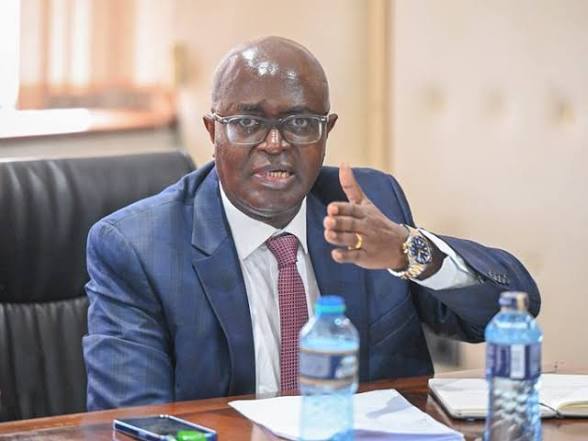
The Kenya Urban Roads Authority (KURA) Board has come under intense scrutiny following reports that it quietly approved a two-year extension of Director-General Eng. Silas Kinoti’s contract at the end of June, a move likely to trigger fresh legal and governance questions over the leadership of the roads agency.
The board has gifted the DG yet a two year contract extension barely weeks after a petition was filed at the Employment and Labour Relations Court challenging the legality of Kinoti’s continued stay in office.
Insider reports at KURA allude to multi-million bribery deals between the DG and the board members with Kinoti’s age at the centre of Public scrutiny.
‘It was widely expected that the board will root for a new DG but deals involving tenders and bribers running into millions saw his contract renewed,” a source at KURA said.
In early June,a petitioner argued that the Director-General has already exceeded the maximum tenure permitted for the office and was seeking orders declaring his continued occupation of the position unlawful.
The latest board decision is expected to intensify scrutiny over whether the renewal complied with the law, the State Corporations Act, KURA’s human resource policies and principles of good governance.
The controversy follows months of speculation over Kinoti’s future at the authority.
In July 2025, reports circulated claiming he was proceeding on terminal leave, prompting both Kinoti and KURA to publicly dismiss the claims as false and insist that he remained in office.
Critics now argue that instead of providing clarity on the Director-General’s tenure, the board’s reported decision has raised even more questions, particularly as the legality of his continued stay remains the subject of ongoing court proceedings.
The board is also facing allegations of irregularities surrounding the renewal process.
Sources familiar with the matter have alleged that the extension was approved without adequate public disclosure and have raised claims of collusion and financial inducements involving individuals linked to the process.
The legality of the Director-General’s tenure remains under judicial challenge, the decision could expose the authority to further legal disputes and heighten public concern over accountability in one of the country’s key infrastructure agencies.