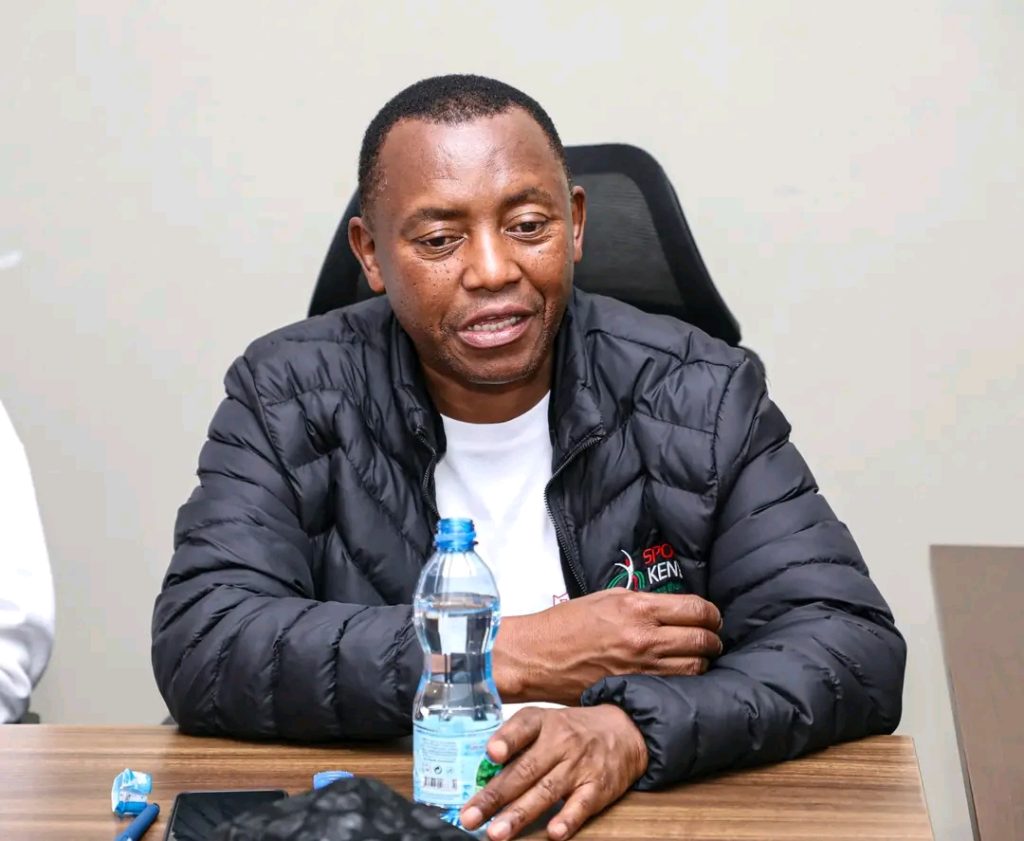
Governance activists and concerned citizens are intensifying calls for the Ethics and Anti-Corruption Commission (EACC) and the Assets Recovery Agency (ARA) to launch a comprehensive investigation into the source of wealth and lifestyle of Deputy Director Gabriel Komora amid two pending cases before the Milimani Courts and allegations concerning the management of public resources.
Those raising the concerns claim that Komora’s alleged lavish lifestyle, property investments, and expenditure patterns warrant urgent scrutiny by anti-corruption agencies. They argue that public officials entrusted with the management of taxpayer resources must be able to account for their wealth and demonstrate that their assets are consistent with their lawful income.
Among the allegations being raised are claims that substantial sums of money have allegedly been spent on luxury living and that high-value properties worth millions of shillings were allegedly acquired for a woman said by the claimants to have a close personal relationship with the official.
The activists further contend that the allegations, if independently verified, would raise serious questions about accountability, transparency, and stewardship of public resources. They are therefore urging EACC and the Assets Recovery Agency to conduct a thorough lifestyle audit, asset-tracing exercise, and financial review to establish the source of funds used in the acquisition of the alleged assets.
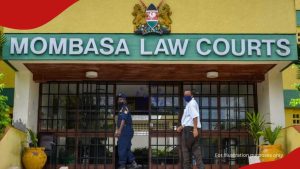
The calls for investigation have gained momentum amid public interest in two matters currently before the Milimani Law Courts, namely HCACECPET/E023/2026 and HCCHRPET/E119/2026. According to governance activists, the cases raise issues that warrant closer scrutiny by oversight institutions and have contributed to growing demands for transparency and accountability within public service.
Campaigners argue that the existence of the court proceedings, together with broader concerns being raised by members of the public, justify an independent review by the Ethics and Anti-Corruption Commission (EACC) and the Assets Recovery Agency (ARA). They maintain that a thorough examination of any issues raised in the court matters would help strengthen public confidence in government institutions and reinforce the principles of accountability and good governance.
According to the campaigners, the matter goes beyond one individual and touches on the broader public interest in ensuring integrity within public institutions. They argue that public confidence can only be strengthened through transparent investigations into concerns surrounding unexplained wealth and asset accumulation by public officials.
The calls come as public attention continues to focus on the matters currently before the courts and on broader allegations concerning the management of public resources. Activists maintain that independent investigations by the relevant oversight agencies are necessary to establish the facts, promote transparency, and uphold accountability within public service.
As scrutiny intensifies, campaigners are urging EACC and ARA to move swiftly in reviewing the concerns raised and, where appropriate, determine whether further investigative action is warranted in the public interest.