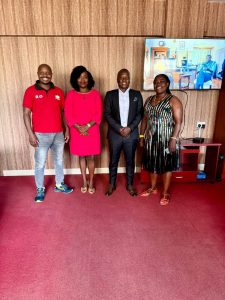
A Nairobi lawyer is facing complaints over Ksh2.9 million received from a client who had sought his assistance in recovering Ksh11 million allegedly owed by a debtor.
The lawyer, Ambrose Ochuka Abongo of Ambrose Ochuka & Company Advocates, based at Krishna Centre in Westlands, is accused of failing to recover the money and subsequently agreeing to repay the Ksh2.9 million through monthly instalments running until September 2026.
The dispute is currently before the Advocates Complaints Commission, which is examining the circumstances surrounding the funds received by the advocate and his subsequent handling of the matter.
The Directorate of Criminal Investigations (DCI) has also investigated the complaint and reportedly concluded that the money was obtained through a fraudulent scheme. The investigation file has since been forwarded to the Office of the Director of Public Prosecutions (ODPP), where a decision on whether to approve criminal charges is pending.
The allegations have also attracted the attention of the Law Society of Kenya (LSK), with a separate complaint filed concerning Ochuka’s professional conduct.
According to the complaint, the client engaged the advocate to assist in recovering Ksh11 million from a debtor. The advocate subsequently received Ksh2.9 million in connection with the matter but, according to the allegations, did not recover the expected funds.
The dispute later shifted to the repayment of the Ksh2.9 million, with the advocate reportedly setting out a repayment schedule under which the client would receive the money in monthly instalments extending to September 2026.
The developments have raised questions about the professional obligations of advocates when handling client funds and the mechanisms available to clients seeking redress over alleged misconduct.
The Advocates Complaints Commission is mandated to handle complaints against advocates and other legal practitioners, while the LSK has a separate professional and disciplinary role within the legal profession.
The DCI investigation and the pending decision by the ODPP could determine whether the dispute proceeds beyond professional disciplinary proceedings into criminal prosecution.
Meanwhile, the complaints before the relevant professional bodies continue to place Ochuka under scrutiny, with the complainant seeking disciplinary action over the alleged conduct.
Any criminal charges would be subject to the decision of the ODPP and, if approved, determination by the courts. Similarly, disciplinary proceedings are yet to establish whether the advocate committed professional misconduct.
The case highlights the importance of proper accountability and transparency when advocates receive money from clients for purposes connected to legal matters, particularly where substantial sums are involved.