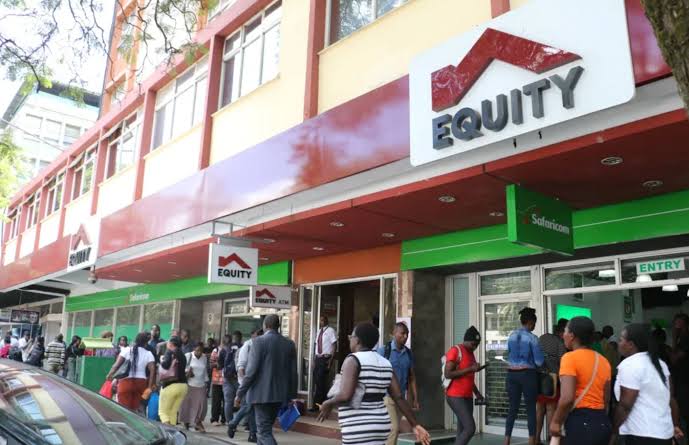
Equity Bank Kenya Limited is now on the global map for wrong reasons after a group of aggrieved customers escalated complaints over alleged illegal property auctions to international financial watchdogs.
The customers,branding themselves as Equity Bank Victims,have formally written to global institutions including the International Finance Corporation, Bank for International Settlements, Financial Stability Board, Financial Action Task Force and the Basel Committee on Banking Supervision, seeking intervention and thorough investigations into what they deem as calculated illegal auctions aimed at benefiting the bank.
They accuse the bank of engaging in “widespread and illegal auctioning of properties,” alleging systemic violations of borrowers’ rights and due process.
In their detailed letter, the complainants outline a pattern of what they term as abuse of the bank’s statutory power of sale. Among the key accusations are failure to issue proper statutory notices as required under Kenya’s Land laws, sale of properties at significantly undervalued prices, and disregard of court orders.
They further claim that some auctions were conducted without meaningful engagement with borrowers, including refusal to restructure loans or provide accurate statements of account prior to sale.
“Families, businesses, and communities have suffered immense financial loss, emotional distress, and a profound sense of injustice,” the petition reads in part.
The group also raises serious claims of intimidation and harassment, alleging instances of forced evictions and coercive tactics by auctioneers acting on behalf of the lender.
Unlike previous isolated complaints handled within Kenya’s courts, the latest move signals a shift toward internationalizing the dispute.
The petitioners aim to trigger scrutiny of the bank’s practices within the broader framework of international banking standards and consumer protection.
Some of their demands include immediate and independent investigations into all alleged illegal auctions,suspension of ongoing auctions where due process is in question and full transparency coupled with accountability on past sales.
They are also calling for compensation and possible restitution for affected victims as well as immediate regulatory reforms to tighten oversight of distressed asset sales.
Kenyan law—particularly the Land Act, 2012—sets clear procedures that lenders must follow before exercising their power of sale, including issuing statutory notices and conducting up-to-date property valuations.
If proven, the allegations could expose the bank to significant legal liability and potentially trigger regulatory action locally and beyond.
The case could also set a precedent for how borrower rights are enforced in Kenya’s banking sector.