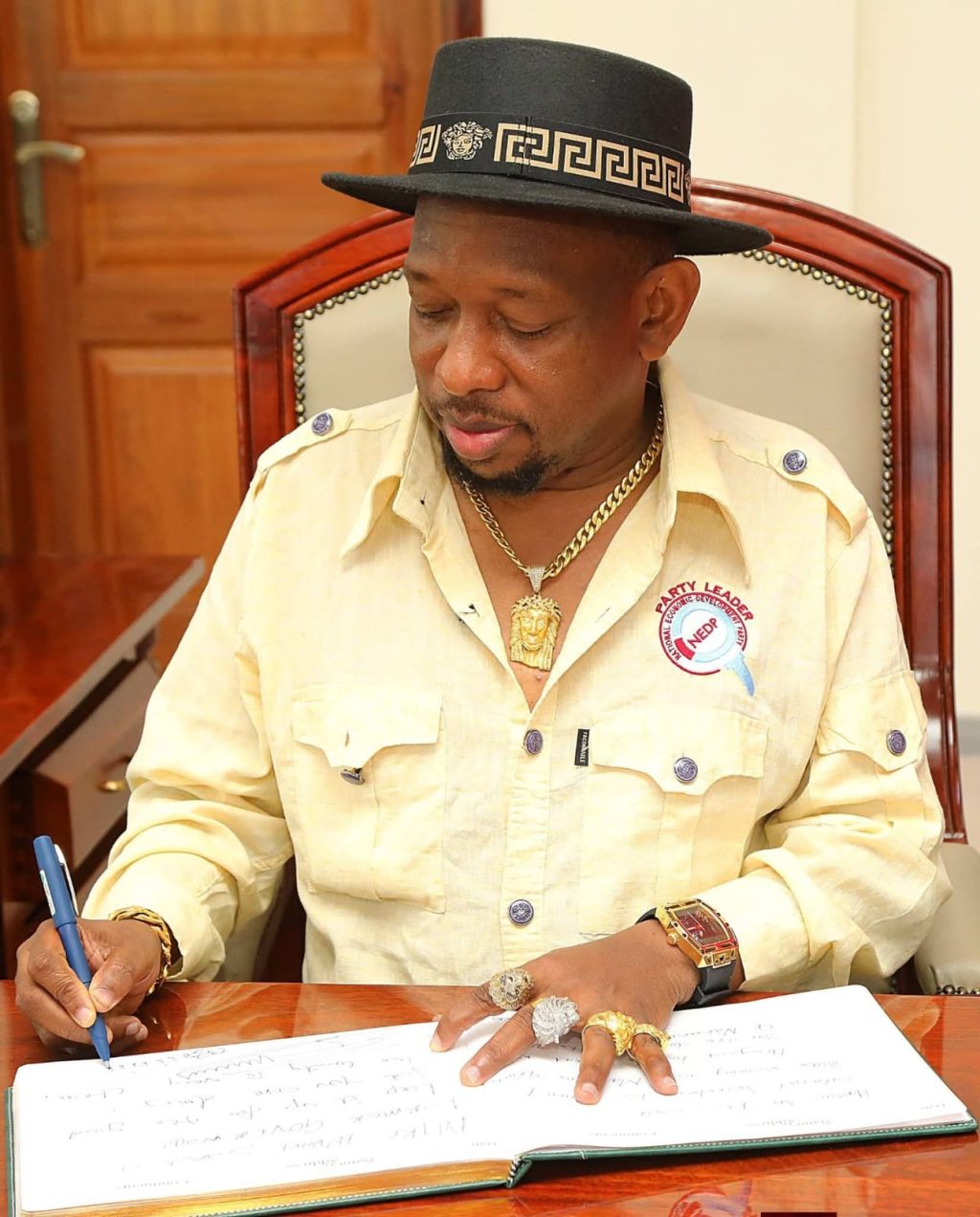
When former Nairobi Governor Mike Sonko publicly shared his HIV test results while discussing his recent weight loss journey, reactions across Kenya were mixed.
A majority of Kenyans praised his openness about health and wellness, while others questioned whether leaders should turn private medical matters into public spectacle.
Yet beyond the controversy lies an important conversation: public figures across the world are increasingly using their own bodies, fitness routines and health struggles to send political and social messages about wellness, obesity and personal discipline.
Sonko is not the first leader to publicly address dramatic weight loss or openly discuss health checks. In fact, globally, leaders have increasingly embraced transparency about fitness and health as part of modern political branding.
Kenya’s President William Ruto also faced intense speculation in 2023 after Kenyans noticed his significant weight loss months after taking office. Rather than ignore the debate, Ruto publicly explained that the changes were deliberate and linked to a return to fitness and dieting after the exhausting 2022 campaign season.
He admitted that election pressure had led to overeating and reduced exercise, before deciding to regain fitness because of the demands of the presidency.
In the United Kingdom, former Prime Minister Boris Johnson became one of the most visible political figures to openly discuss obesity after surviving severe Covid-19. Johnson publicly admitted he had struggled with weight for years and began promoting exercise, healthier diets and national anti-obesity campaigns after his illness.
He spoke openly about jogging, reducing carbohydrates and avoiding unhealthy late-night eating habits.
Across the Atlantic, former US President Barack Obama regularly projected fitness as part of leadership culture.
Obama’s basketball sessions, gym routines and support for healthy eating initiatives led by former First Lady Michelle Obama helped normalize conversations around exercise and obesity prevention among young people.
What makes Sonko different, however, is his preference for dramatic public health moments,perhaps as a strategy to attract more audience and followers to his rathet educative sessions.
Over the years, Sonko has repeatedly mixed health messaging with populist politics, sometimes controversially. During the Covid-19 pandemic, he attracted global criticism after distributing alcohol in relief packages while controversially claiming it could help sanitize throats — remarks later rejected by health authorities and even the alcohol manufacturer itself.
His latest public HIV testing episode therefore fits into a broader political style built around spectacle, direct engagement and emotional connection with ordinary citizens.
Still, there are important lessons leaders and the public can learn from these health journeys.
First, leaders who openly discuss health struggles can help reduce stigma. Sonko’s public HIV test — despite criticism — indirectly encouraged conversations about the importance of testing and knowing one’s status. In many African societies where HIV stigma still exists, influential public figures discussing testing can normalize preventive healthcare.
Second, weight loss among leaders reflects growing global awareness about obesity and lifestyle diseases.
Across the world, governments are increasingly worried about rising cases of diabetes, hypertension and heart disease linked to poor diets and sedentary lifestyles.
Scientific studies continue to show that sustained weight loss improves metabolic health and reduces risks associated with chronic illnesses.
Third, public fitness journeys can inspire citizens to take wellness seriously. When leaders visibly exercise, eat healthier or speak about discipline and fitness, they indirectly shape public attitudes toward health.
But there is also a cautionary lesson that
Health communication by leaders must remain responsible and evidence-based. Publicity should never replace medical accuracy. Leaders carry enormous influence, and careless statements on health can easily spread misinformation.
Experts opine that transparency is valuable, but it must be accompanied by professionalism and scientific credibility.
Ultimately, Sonko’s latest headline reflects a changing political era where leadership is no longer judged only through speeches and policies, but also through lifestyle, personal branding and public vulnerability.
Whether admired or criticized, leaders who openly confront issues of weight, fitness and health are shaping conversations that societies can no longer ignore.
Of Mike Sonko’s weight loss and what leaders have done globally to fight overweight issues
When former Nairobi Governor Mike Sonko publicly shared his HIV test results while discussing his recent weight loss journey, reactions across Kenya were mixed.
A majority of Kenyans praised his openness about health and wellness, while others questioned whether leaders should turn private medical matters into public spectacle.
Yet beyond the controversy lies an important conversation: public figures across the world are increasingly using their own bodies, fitness routines and health struggles to send political and social messages about wellness, obesity and personal discipline.
Sonko is not the first leader to publicly address dramatic weight loss or openly discuss health checks. In fact, globally, leaders have increasingly embraced transparency about fitness and health as part of modern political branding.
Kenya’s President William Ruto also faced intense speculation in 2023 after Kenyans noticed his significant weight loss months after taking office. Rather than ignore the debate, Ruto publicly explained that the changes were deliberate and linked to a return to fitness and dieting after the exhausting 2022 campaign season.
He admitted that election pressure had led to overeating and reduced exercise, before deciding to regain fitness because of the demands of the presidency.
In the United Kingdom, former Prime Minister Boris Johnson became one of the most visible political figures to openly discuss obesity after surviving severe Covid-19. Johnson publicly admitted he had struggled with weight for years and began promoting exercise, healthier diets and national anti-obesity campaigns after his illness.
He spoke openly about jogging, reducing carbohydrates and avoiding unhealthy late-night eating habits.
Across the Atlantic, former US President Barack Obama regularly projected fitness as part of leadership culture.
Obama’s basketball sessions, gym routines and support for healthy eating initiatives led by former First Lady Michelle Obama helped normalize conversations around exercise and obesity prevention among young people.
What makes Sonko different, however, is his preference for dramatic public health moments,perhaps as a strategy to attract more audience and followers to his rathet educative sessions.
Over the years, Sonko has repeatedly mixed health messaging with populist politics, sometimes controversially. During the Covid-19 pandemic, he attracted global criticism after distributing alcohol in relief packages while controversially claiming it could help sanitize throats — remarks later rejected by health authorities and even the alcohol manufacturer itself.
His latest public HIV testing episode therefore fits into a broader political style built around spectacle, direct engagement and emotional connection with ordinary citizens.
Still, there are important lessons leaders and the public can learn from these health journeys.
First, leaders who openly discuss health struggles can help reduce stigma. Sonko’s public HIV test — despite criticism — indirectly encouraged conversations about the importance of testing and knowing one’s status. In many African societies where HIV stigma still exists, influential public figures discussing testing can normalize preventive healthcare.
Second, weight loss among leaders reflects growing global awareness about obesity and lifestyle diseases.
Across the world, governments are increasingly worried about rising cases of diabetes, hypertension and heart disease linked to poor diets and sedentary lifestyles.
Scientific studies continue to show that sustained weight loss improves metabolic health and reduces risks associated with chronic illnesses.
Third, public fitness journeys can inspire citizens to take wellness seriously. When leaders visibly exercise, eat healthier or speak about discipline and fitness, they indirectly shape public attitudes toward health.
But there is also a cautionary lesson that
Health communication by leaders must remain responsible and evidence-based. Publicity should never replace medical accuracy. Leaders carry enormous influence, and careless statements on health can easily spread misinformation.
Experts opine that transparency is valuable, but it must be accompanied by professionalism and scientific credibility.
Ultimately, Sonko’s latest headline reflects a changing political era where leadership is no longer judged only through speeches and policies, but also through lifestyle, personal branding and public vulnerability.
Whether admired or criticized, leaders who openly confront issues of weight, fitness and health are shaping conversations that societies can no longer ignore.