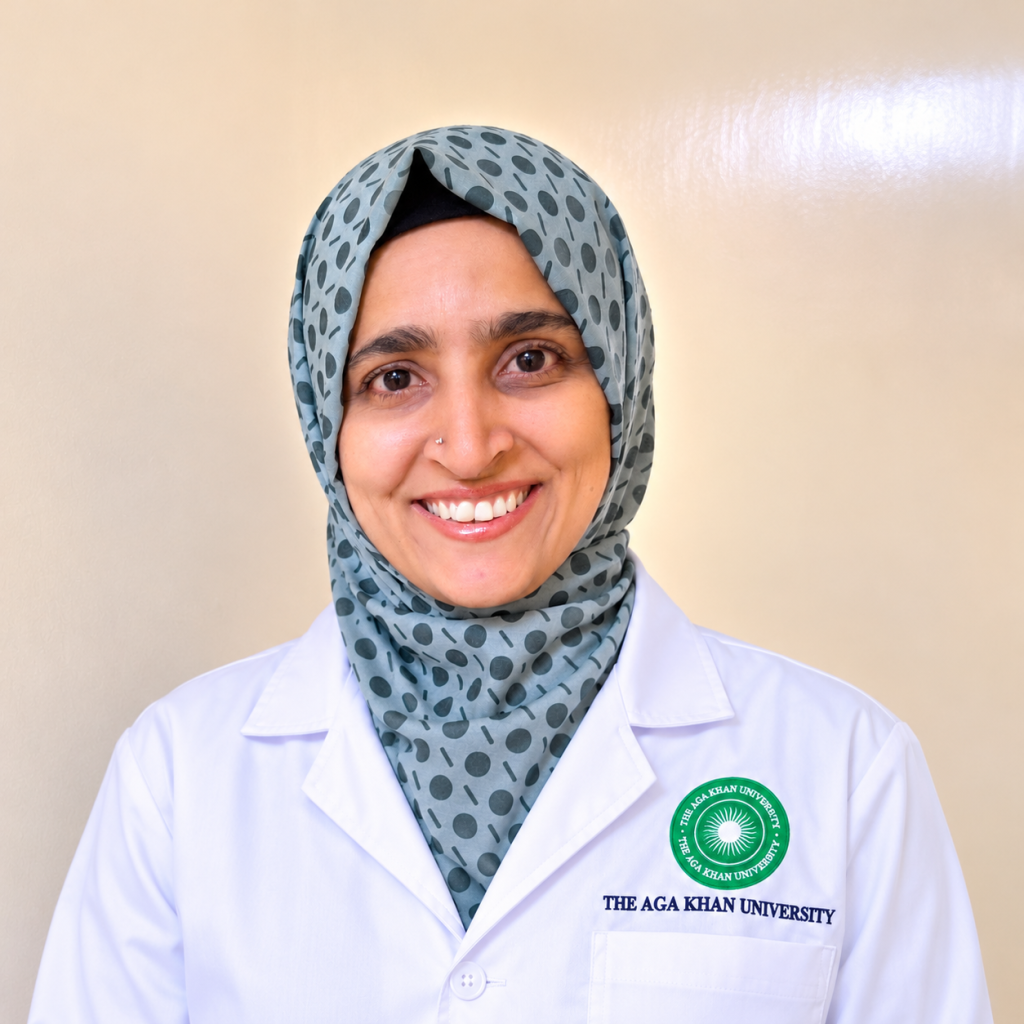
Dr Sairabanu Sokwala
More than 40 per cent of people living with diabetes worldwide are undiagnosed, highlighting the importance of early screening, diagnosis and treatment.
By Dr Sairabanu Sokwalla, Assistant Professor at Aga Khan University, Nairobi, and Consultant Physician and Endocrinologist at Aga Khan University Hospital, Nairobi.
More than 40 per cent of people living with diabetes worldwide do not know they have the condition. Africa has the highest proportion of undiagnosed diabetes, with approximately three in every five adults living with the disease unaware of their status.
Without a diagnosis, many people miss the opportunity to receive appropriate treatment and medical support, increasing their risk of developing serious complications.
Diabetes is an increasingly significant global health concern, but early detection remains one of the most effective ways of improving health outcomes and preventing complications.
In 2022, approximately 14 per cent of adults aged 18 years and older were living with diabetes, compared with seven per cent in 1990. More than 40 per cent of adults with diabetes were unaware they had the condition, while 59 per cent of adults aged 30 years and older were not taking medication for the disease.
In 2023, diabetes directly caused approximately two million deaths worldwide, while diabetes-related kidney disease contributed to a further 390,000 deaths.
These figures underline the urgent need to improve public awareness, expand screening programmes and strengthen access to diabetes care.
The 2026 World Diabetes Day theme, “Early action on diabetes,” highlights the importance of timely diagnosis, comprehensive treatment and addressing the stigma that may discourage people from seeking medical support.
One of the five global diabetes coverage targets is to ensure that 80 per cent of people living with diabetes are diagnosed by 2030.
Understanding diabetes
Diabetes is a chronic condition that develops when the pancreas does not produce enough insulin or when the body cannot effectively use the insulin it produces.
Insulin is a hormone that regulates blood glucose, allowing the body to use sugar for energy. When insulin production or function is impaired, glucose accumulates in the bloodstream, resulting in high blood sugar levels, also known as hyperglycaemia.
If left uncontrolled, high blood sugar can damage blood vessels and nerves, affecting vital organs such as the heart, kidneys and eyes.
There are four main categories of diabetes: type 1, type 2, gestational diabetes and other specific types.
Type 1 diabetes occurs when the body’s immune system attacks the insulin-producing cells in the pancreas, resulting in little or no insulin production. It often develops rapidly and is commonly diagnosed in children and young adults, although it can occur at any age.
People with type 1 diabetes require daily insulin treatment to survive. Its exact cause is not fully understood, and there are currently no established ways to prevent it.
Type 2 diabetes is the most common form, accounting for more than 95 per cent of people living with diabetes globally. It develops when the body becomes resistant to insulin or does not produce enough to maintain normal blood glucose levels.
Risk factors include overweight and obesity, physical inactivity, family history and increasing age. However, the condition can also affect people who are not overweight.
Unlike type 1 diabetes, type 2 diabetes often develops gradually, meaning symptoms may go unnoticed for years before a diagnosis is made.
Gestational diabetes occurs when blood glucose levels become higher than normal during pregnancy. It is usually detected through routine antenatal screening.
Women who develop gestational diabetes face an increased risk of pregnancy and delivery complications. Both the mother and child may also have a higher risk of developing type 2 diabetes later in life.
Other specific types of diabetes may result from diseases or damage affecting the pancreas, including alcohol-related or gallstone-induced pancreatic damage, surgery or trauma.
Other causes include certain medications, such as steroids, genetic abnormalities, hormonal disorders, newborn diabetes and infections affecting the pancreas.
Recognising the symptoms and importance of screening
Recognising the warning signs of diabetes is important, although some people may live with the condition without experiencing noticeable symptoms.
Common symptoms include excessive thirst, frequent urination, increased hunger, unexplained weight loss, persistent tiredness and blurred vision.
Other warning signs include slow-healing wounds, recurrent infections and tingling or numbness in the hands and feet.
Symptoms of type 1 diabetes may develop suddenly, while those of type 2 diabetes often appear gradually. This makes routine screening particularly important, especially for people with risk factors.
Screening is recommended for individuals who are overweight or obese, have a family history of diabetes, high blood pressure, abnormal cholesterol levels, a history of gestational diabetes or low levels of physical activity.
Healthcare providers may recommend blood glucose testing based on a person’s age, medical history and overall risk profile. Screening is particularly important for people above 35 years who have additional risk factors.
People should not wait until symptoms become severe before seeking medical advice.
Managing diabetes and preventing complications
Although diabetes is a long-term condition, it can be managed effectively through appropriate treatment, healthy lifestyle choices and regular medical monitoring.
Treatment depends on the type of diabetes, blood glucose levels and individual health needs.
People with type 1 diabetes require insulin, while those with type 2 diabetes may manage their condition through lifestyle changes, medication or a combination of both.
Treatment may involve glucose-lowering medicines or injectable treatments, including insulin. Medication should always be taken as prescribed, with any adjustments made under medical supervision.
Healthy eating is central to diabetes management. Although there is no single diet suitable for everyone, a balanced eating plan should include high-fibre foods such as vegetables, fruits, legumes and whole grains, alongside adequate protein and healthy fats.
Limiting sugary drinks, highly processed foods and foods high in saturated fats can help support blood glucose control and improve cardiovascular health. A qualified dietitian can also provide guidance on appropriate food choices and portion sizes.
Regular physical activity helps the body use insulin more effectively and supports blood glucose control. Adults are generally encouraged to undertake at least 150 minutes of moderate-intensity physical activity each week, alongside strength-building exercises where appropriate.
Maintaining a healthy weight, avoiding tobacco and attending regular medical reviews are equally important.
For some people with type 2 diabetes, significant weight loss and sustained lifestyle changes may lead to remission. However, remission does not mean the condition has been permanently cured, and continued medical monitoring remains necessary.
There are also medications that can support diabetes and weight management. However, these should only be prescribed and monitored by qualified healthcare professionals.
Uncontrolled diabetes can result in serious complications, including heart disease, stroke, kidney failure, nerve damage, vision loss and foot ulcers that may eventually lead to amputation.
Regular monitoring of blood glucose, blood pressure and cholesterol levels, alongside routine kidney, eye and foot examinations, can help identify complications early and reduce the risk of severe outcomes.
Diabetes remains a major global health challenge, but early diagnosis, appropriate treatment and consistent management can make a significant difference.
People living with the condition can reduce their risk of complications through regular monitoring, medical care and healthy lifestyle choices.
Closing the diabetes diagnosis gap will require greater public awareness, improved access to screening and efforts to address misconceptions and stigma surrounding the disease.
Recognising the warning signs, understanding personal risk factors and seeking medical advice early are important steps towards better health and quality of life.