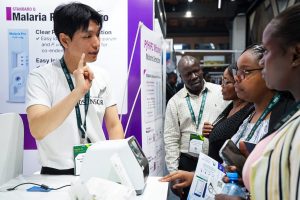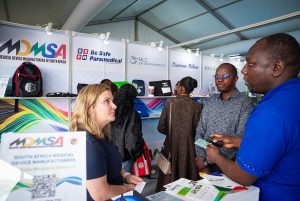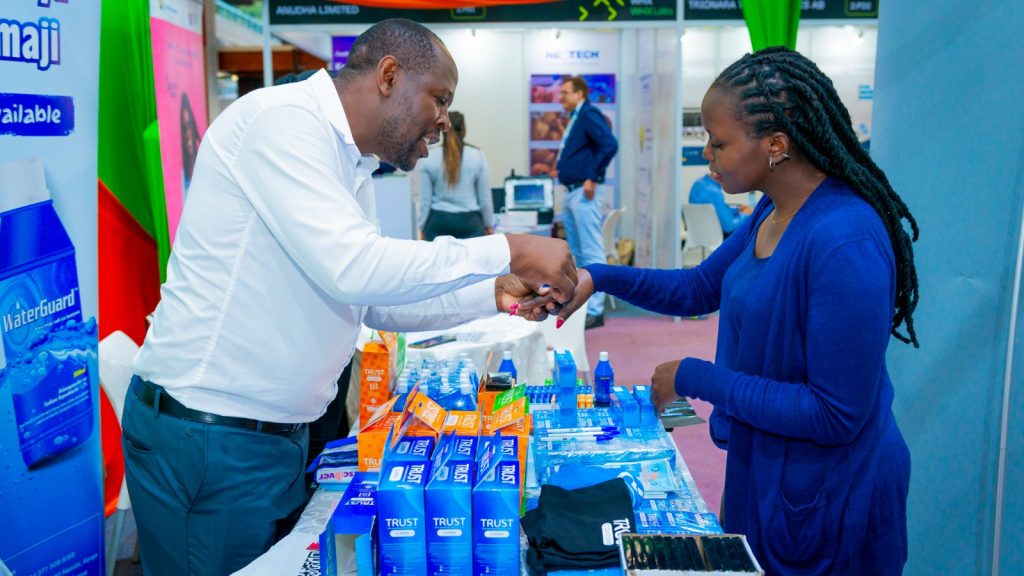
Kenya’s transition from the National Hospital Insurance Fund (NHIF) to the Social Health Authority (SHA) is accelerating hospital investment in medical equipment, diagnostics and digital health infrastructure, creating new procurement opportunities ahead of the 10th edition of World Health Expo (WHX) Nairobi, which will take place from 16–18 September 2026 at the Kenyatta International Convention Centre (KICC).
The shift is part of a broader transformation in East Africa’s healthcare financing landscape, with similar reforms underway in Tanzania, Ethiopia and Uganda. Together, these developments are driving demand for modern healthcare technologies, improved diagnostics, digital hospital systems and more efficient procurement processes.
As SHA rolls out its Primary Healthcare Fund, Social Health Insurance Fund and Emergency, Chronic and Critical Illness Fund, the Ministry of Health reports that more than 31 million Kenyans have registered under the scheme, 11,034 health facilities have been contracted and over KES 147 billion has been paid in claims since October 2024. The expanded coverage and faster reimbursement model are giving healthcare providers greater certainty over patient volumes and revenue, enabling them to plan investments in equipment, digital systems and service delivery.
Under the new system, primary healthcare providers are reimbursed based on verified patient visits rather than insurance status, while claims processing timelines have been reduced from 90 days to 30 days. These changes are placing greater emphasis on investments in hospital information systems, diagnostics, revenue-cycle management and digital reporting to meet SHA’s data-driven reimbursement requirements.
Against this backdrop, WHX Nairobi is positioning itself as the region’s leading healthcare procurement and business platform, bringing together hospital executives, procurement leaders, manufacturers, distributors and policymakers to translate healthcare financing reforms into practical purchasing decisions ahead of the next financial cycle.
Formerly known as Medic East Africa, WHX Nairobi is held under the patronage of Kenya’s Ministry of Health and supported by the Kenya Healthcare Federation (KHF) and the Medical Technology Industry Association of Kenya (MEDAK).
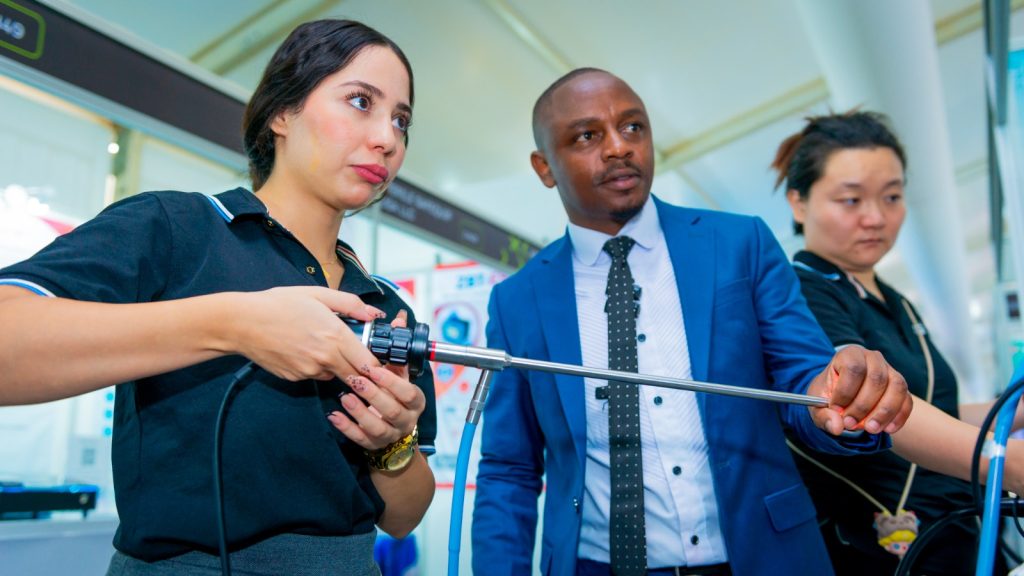
The 2026 edition is expected to attract more than 5,500 attendees, over 200 exhibitors from more than 30 countries, and feature a 4,500-square-metre exhibition, representing an 81% increase in exhibition space and 22% growth in exhibitors compared to last year. Organisers estimate the 2025 event generated USD 84.19 million in business transactions, demonstrating the exhibition’s growing role in facilitating healthcare investment across East Africa.
SHA reforms are also influencing procurement priorities through structured reimbursement packages covering inpatient care, maternity services, dialysis, oncology, imaging and diagnostics. Defined reimbursement rates for services such as MRI and CT scans are encouraging hospitals to invest in the equipment and digital systems needed to deliver and accurately claim for these services.
Across the region, similar reforms continue to strengthen healthcare investment. Ethiopia’s Community-Based Health Insurance programme now covers more than 54 million people, increasing investment in diagnostics, medicines and healthcare quality. Tanzania’s pharmaceutical import market is projected to grow from USD 1.08 billion in 2023 to USD 1.55 billion by 2028, driving demand for medicines, cold-chain infrastructure and digital inventory systems. Uganda continues investing in hospital infrastructure and medical equipment despite constrained public health spending.
According to World Bank and World Health Organization (WHO) analysis, Africa requires substantially higher private investment in healthcare infrastructure and services to meet growing demand. WHX addresses this need by showcasing innovations across eight product sectors, including medical devices, imaging, laboratory technology, digital health, healthcare infrastructure and hospital services.
For hospital CEOs, chief operating officers and procurement directors working within the new financing frameworks, investment priorities increasingly include imaging equipment, laboratory systems, electronic medical records (EMRs), pharmacy automation, digital claims management and capacity expansion.
“Kenya’s transition to the SHA marks a decisive turning point for our national healthcare ecosystem,” said Dr. Janki Chauhan, Chairperson of MEDAK.
“Healthcare facilities are under immediate pressure to adapt to new reimbursement structures, expanded benefit packages and digitised claims processing. Across East Africa—from Ethiopia’s CBHI expansion to Tanzania’s pharmaceutical growth and Uganda’s infrastructure investments—we see a shared need for modern medical technologies. WHX provides the commercial platform where healthcare providers can engage directly with global suppliers while gaining a better understanding of the regulatory environment to support long-term investment decisions.”
Tom Coleman, Portfolio Director – Healthcare at Informa Markets, said healthcare financing reforms are now directly influencing procurement across the region.
“Healthcare financing reforms across East Africa are no longer theoretical—they are actively reshaping hospital procurement. Kenya’s SHA rollout, Ethiopia’s CBHI expansion, Tanzania’s pharmaceutical sector growth and Uganda’s infrastructure investments are creating urgent procurement needs. WHX brings healthcare leaders together with manufacturers, distributors and technology providers to align investment decisions with these new funding models ahead of the next fiscal year.”
Coleman added that the WHX portfolio, which includes healthcare exhibitions in Nairobi, Lagos and Johannesburg, continues to connect global healthcare manufacturers with regional distributors and healthcare providers, expanding access to innovative medical technologies across Africa.
Registration for WHX Nairobi is free for healthcare professionals, procurement leaders and suppliers. As healthcare financing reforms gather pace across East Africa, the September event offers hospitals and industry stakeholders an opportunity to evaluate new technologies, establish partnerships and finalise procurement decisions for the coming financial year.