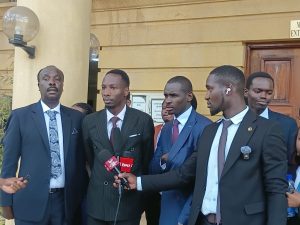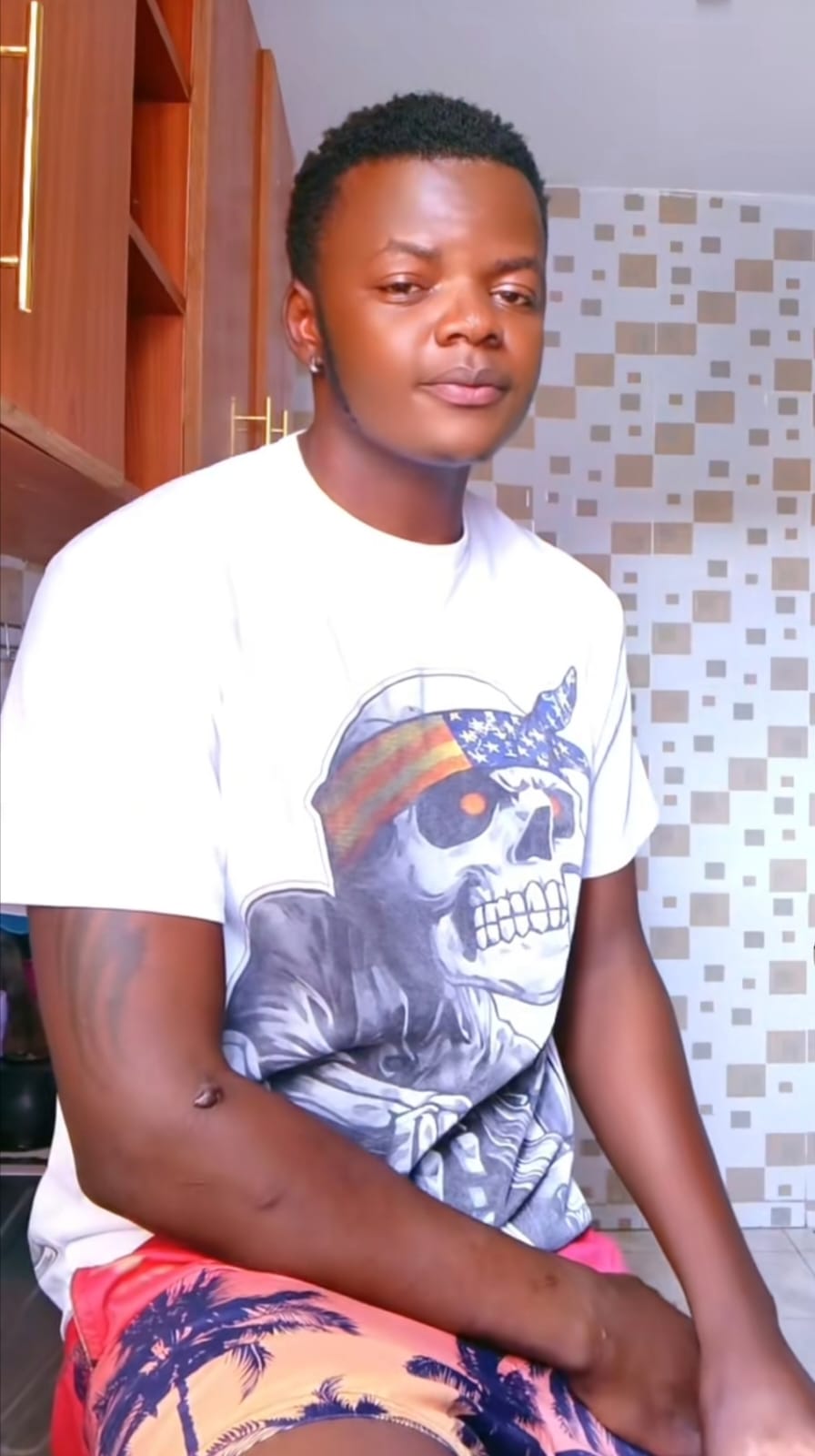
A bitter dispute unfolding within Kenya’s TikTok livestream community has thrust content creators Nathaniel Auma, popularly known as King Master, and Victor Ochieng, known online as V Ochieng, into the centre of growing public scrutiny after allegations relating to financial dealings circulated widely on social media.
The allegations, which have been extensively discussed during TikTok Live broadcasts and across other online platforms, have fuelled debate over transparency and accountability within Kenya’s rapidly expanding creator economy. At the time of publication, the allegations remain unproven, and neither a court nor law enforcement authorities have publicly established that the two creators committed any criminal offence.
The controversy gained momentum following King Master’s birthday celebrations, after disagreements reportedly emerged over financial arrangements involving a prominent supporter. What initially appeared to be a disagreement among individuals soon evolved into a wider public dispute as livestreams attracted thousands of viewers and competing narratives emerged.
Instead of distancing themselves from one another, King Master and V Ochieng presented a united public front through multiple livestreams, defending their positions while dismissing criticism from opponents. Their coordinated public appearances prompted speculation among sections of the online community about the nature of their alliance, although there is no independent evidence establishing that their actions were part of any coordinated scheme.
The dispute has also drawn attention to broader allegations circulating within Kenya’s TikTok community about the relationships some creators develop with supporters, particularly women living abroad.
Several women on social media have alleged that some TikTok creators cultivate close personal or romantic relationships with supporters overseas, encouraging financial support through virtual gifts, cash transfers and other forms of assistance. Some of those women claim they later felt misled after the relationships broke down.
Within the current controversy, similar allegations have been made online involving King Master and V Ochieng. Those claims have circulated widely through TikTok livestreams and other social media platforms and have become part of the broader public debate. However, the allegations remain unverified. No court has found either King Master or V Ochieng liable for fraud, deception or any related offence in connection with those claims, and no official findings establishing such conduct had been announced at the time of publication. Both individuals would be entitled to respond to the allegations.
The controversy has nevertheless renewed discussion about the risks associated with parasocial relationships on livestreaming platforms, where emotional connections between creators and supporters can sometimes lead to significant financial contributions. Consumer advocates continue to encourage users to exercise caution before sending money or entering financial arrangements with people they know primarily through social media.
Legal experts caution that allegations of fraud are serious and should not be treated as established facts without evidence. Under Kenyan law, criminal liability can only be determined through due legal process, while individuals who make false allegations against identifiable people may themselves face legal consequences.
As debate continues online, some users have called for complaints to be formally lodged with the relevant authorities if they believe criminal conduct occurred. Others argue that the matter is primarily a private financial dispute that should not be decided in the court of public opinion.
No official announcement confirming criminal investigations or charges against King Master or V Ochieng had been made at the time of publication.
Whatever the outcome, the dispute has exposed broader questions about financial accountability, transparency and ethical conduct within Kenya’s fast-growing digital creator industry, where entertainment and commerce increasingly intersect and public trust remains one of a creator’s most valuable assets.