By Dennis Gichuiri
WWF-Kenya has marked 10 years as a national office with a report showing that its annual investment has grown to more than Sh1.6 billion, highlighting increased funding for conservation, community livelihoods and environmental restoration.
The organisation celebrated the milestone on Friday, October 23, 2026, at Panda House in Karen, Nairobi, bringing together government officials, conservation partners, diplomats, community representatives and private sector leaders.
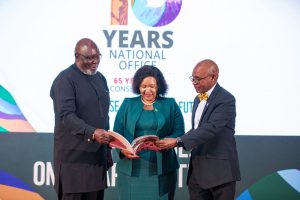
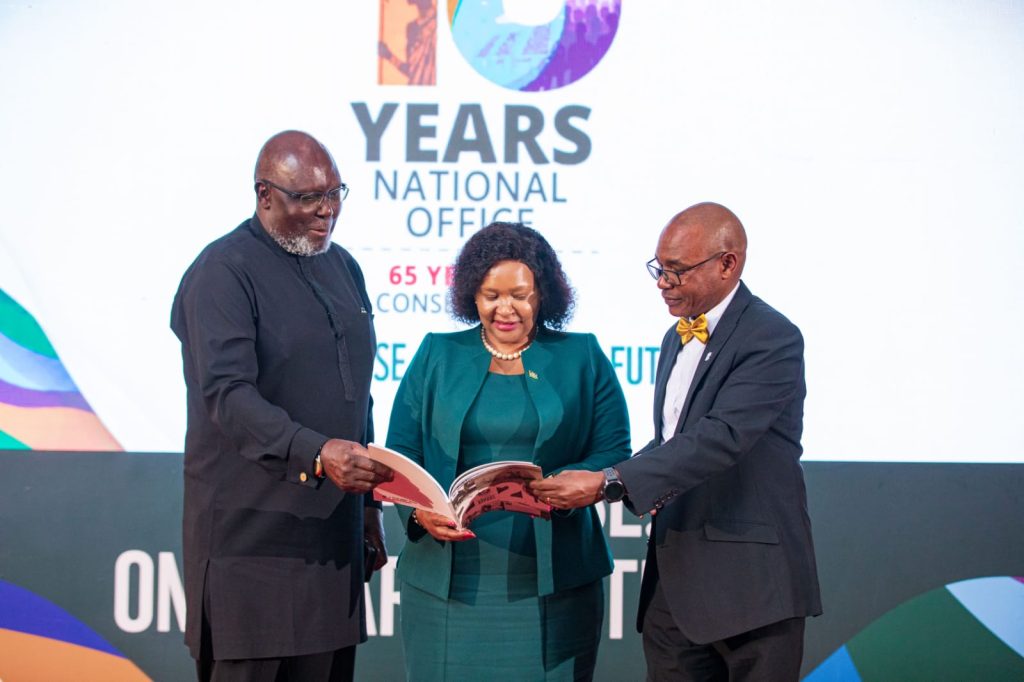
Cabinet Secretary for Tourism and Wildlife Rebecca Miano, who attended the celebration as chief guest, commended WWF-Kenya for strengthening local leadership and aligning its work more closely with Kenya’s conservation priorities since becoming a national office in 2016.
The celebration also recognised WWF’s more than six decades of conservation work in Kenya, which began in 1962, a year after the global organisation was founded.
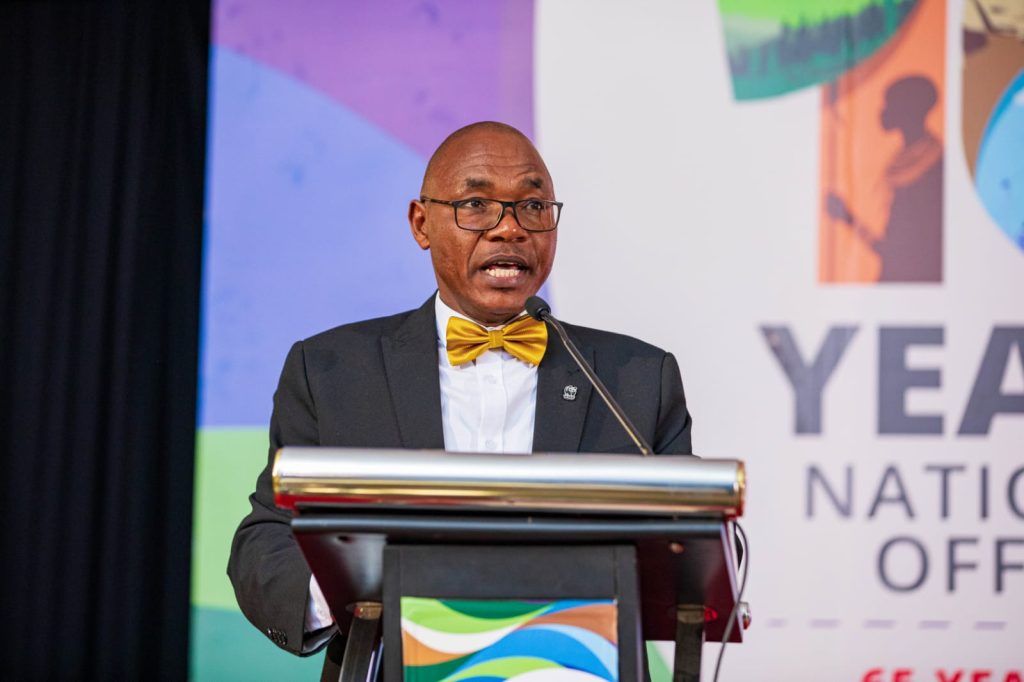
In his remarks, WWF-Kenya Chief Executive Officer Jackson Kiplagat said the anniversary was an opportunity to reflect on the organisation’s contribution to communities, national development and environmental protection.
He said conservation was a shared responsibility requiring collaboration between government, local communities, development partners, civil society and businesses.
Conservation investment grows
Figures presented during the anniversary showed that WWF-Kenya’s annual investment had risen from Sh629.5 million in the 2016/2017 financial year to more than Sh1.6 billion in the 2025/2026 financial year.
The organisation also reported that funding disbursed to partners had increased from Sh162 million to more than Sh400 million over the same period.
WWF-Kenya said it was working with more than 50 partners and alliances at different levels and across countries to support conservation programmes.
The organisation has also placed 96,998 hectares under restoration across five ecosystems, while communities have generated Sh22.6 million in income from tree seedlings.
The report further showed that WWF-Kenya had reduced electricity consumption at its headquarters by 88 per cent through solarisation, saving more than Sh500 million in recurrent power expenditure, according to the figures presented.
The organisation said its annual report captures work involving communities restoring degraded landscapes, rangers protecting endangered wildlife and women and young people developing sustainable livelihoods linked to nature.
Government calls for community-centred conservation
Miano said conservation and economic development must reinforce each other, noting that Kenya’s wildlife, forests, wetlands, rangelands and marine ecosystems support tourism, employment and climate resilience.
She said the future of Kenya’s tourism industry depended on healthy ecosystems and thriving wildlife, adding that communities living alongside wildlife must also benefit from conservation.
The CS said the government could not achieve its conservation goals alone and called for stronger cooperation with county governments, communities, conservancies, scientists, development partners and organisations such as WWF-Kenya.
She highlighted the recovery of Kenya’s black rhino population from a few hundred animals to more than 1,100 in recent years as an example of what sustained collaboration could achieve.
According to Miano, WWF-Kenya supported six of the seven Black Rhino Conservation Strategies and helped equip monitoring teams and install modern surveillance systems.
She also commended rangers, community scouts and scientists for their contribution to wildlife protection, research and monitoring.
The Cabinet Secretary noted that partnerships among key conservation players had benefited approximately 600,000 people over the past six years.
Four government priorities outlined
Looking ahead, Miano outlined four government commitments aimed at strengthening conservation and improving community participation.
They include stepping up action against environmental crime and harmful practices, investing in environmental education and youth engagement, strengthening frameworks that give communities a voice in policy and programme implementation and supporting community initiatives that address harmful social and environmental practices.
She also identified human-wildlife conflict as one of the major challenges facing conservation in Kenya.
The government, she said, would continue strengthening prevention and response measures, protecting wildlife corridors, improving land-use planning and mobilising sustainable financing for conservation.
Miano stressed that successful conservation required strong institutions, sound scientific evidence, well-supported frontline teams and communities with a genuine stake in protecting natural resources.
A 65-year conservation journey
WWF-Kenya’s anniversary also highlighted its wider conservation history, including its role in supporting the protection of Lake Nakuru and its wildlife.
According to Kiplagat’s remarks, WWF mobilised resources in 1973 to purchase 37,000 acres around Lake Nakuru and transfer the land to the government, helping expand the protected area.
The organisation said its work had since expanded beyond wildlife protection to include forest and freshwater conservation, landscape restoration, sustainable livelihoods, natural resource governance and climate change solutions.
Kiplagat said the decision to establish WWF-Kenya as a national office strengthened local ownership and accountability while allowing the organisation to draw on the global WWF network.
The celebrations also featured the launch of the WWF-Kenya Financial Year 2025/2026 Annual Report, which documents the organisation’s conservation investment, partnerships and community impact.
As WWF-Kenya begins its next decade as a national office, the organisation and the government called for continued cooperation to protect nature while improving livelihoods.
The anniversary carried the theme, “One Shared Future: Celebrating 10 Years of Impact for Communities and Nature.”
Miano closed her remarks with the message, “Ni Sisi Sote. One Promise, Our Shared Future,” calling for collective responsibility in safeguarding Kenya’s natural heritage for future generations.