The recent unveiling of candidates by Mike Sonko’s National Economic Development Party (NEDP) for the upcoming February 26 by-elections is increasingly being viewed as more than a routine political exercise.
Analysts say the move provides the party with a timely and strategic platform to popularise its youth-focused policy agenda at the grassroots level.
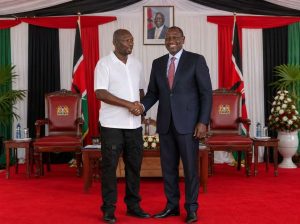
Sonko presided over the issuance of nomination certificates to NEDP candidates contesting parliamentary and county assembly seats in various parts of the country.
The exercise marked the party’s first major electoral test since its formation and signalled the beginning of an aggressive nationwide mobilisation campaign.
Political observers argue that by-elections offer NEDP a unique opportunity to sell its ideas directly to voters, particularly young people who dominate the electorate in most of the affected constituencies.
Unlike general elections, by-elections allow parties to engage communities more intensely, test messaging, and refine policy proposals based on real-time feedback.
At the centre of NEDP’s emerging agenda is a strong emphasis on youth empowerment, an issue that continues to shape Kenya’s political discourse.
The party has outlined proposals focused on affordable education, expanded vocational training, digital literacy, and skills development—policies that resonate strongly with unemployed and underemployed youth.
Healthcare is another pillar NEDP hopes to foreground during the by-election campaigns. Party leaders say their candidates will advocate for stronger public health facilities, affordable health insurance for informal workers, and expanded mental health services targeting young people.
Unemployment and job creation are expected to feature prominently on the campaign trail. NEDP is positioning itself as a pro-enterprise party, with plans to promote entrepreneurship, startup financing, and public-private partnerships to create internships and entry-level jobs. Sectors such as technology, agribusiness, manufacturing, and green energy are being highlighted as key employment drivers for the youth.
The party is also using the by-elections to advance proposals aimed at improving living standards, including affordable housing, better public transport, and access to affordable credit.
These issues, Sonko argues, directly affect young Kenyans navigating the high cost of living, especially in urban areas.
Beyond economic policies, NEDP has expressed support for targeted youth interventions such as youth representation in government, digital platforms for civic engagement, free or subsidized sanitary products for girls, and increased investment in sports, arts, and creative industries.
Supporters say Sonko’s populist political style and long-standing grassroots networks give NEDP an advantage in communicating these policies in a language young people understand.
They believe the by-elections will serve as a testing ground for the party’s youth agenda ahead of broader national contests.
As campaigns gather pace, the February by-elections are shaping up as a critical launchpad for NEDP—not just to win seats, but to market itself as a credible political vehicle capable of championing the aspirations of Kenya’s youth.