Over 200 Professionals Launch Nchi Yetu Volunteers Ahead of 2027 General Election
As the political temperature begins to rise ahead of Kenya’s 2027 General Election, more than 200 professionals have come together with a message that goes beyond political parties, campaign slogans and the race for elective positions: building the country is everyone’s responsibility.
From teachers and nurses to lawyers, journalists and university lecturers, the group believes Kenya’s democratic future should not be left to politicians alone. Instead, ordinary citizens must take a more active role in understanding their rights, fulfilling their responsibilities and shaping the direction of the country.
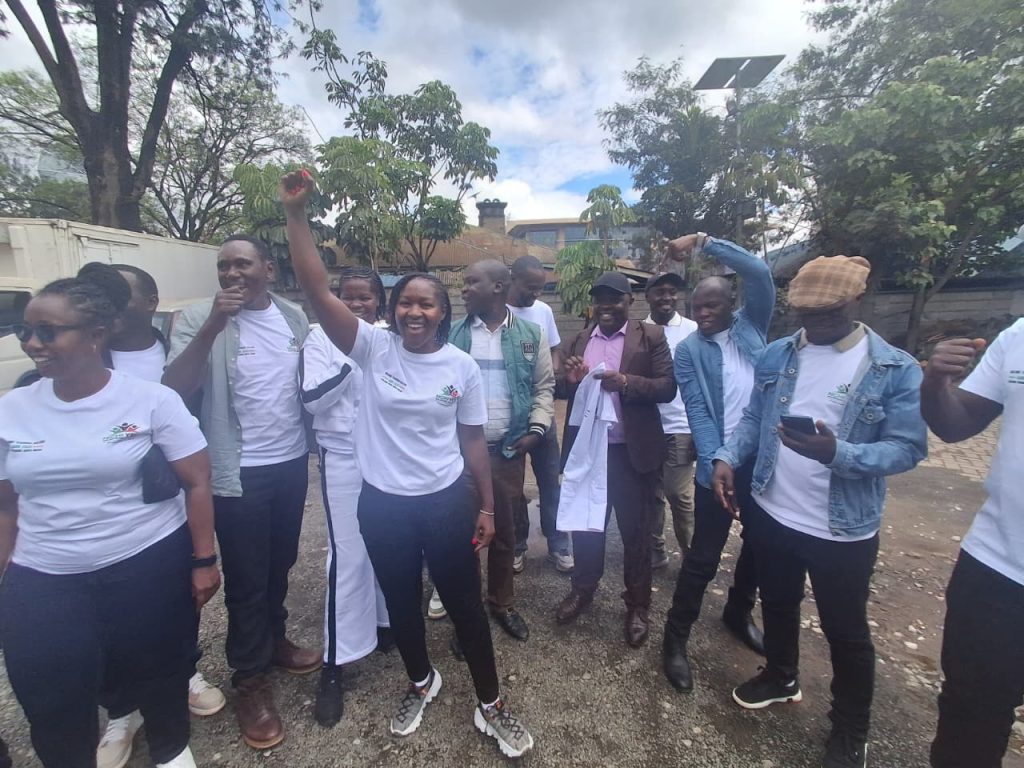
It is this belief that brought the professionals together in Nairobi on October 31, 2026, for the official launch of Nchi Yetu Volunteers, a community-based civic engagement initiative founded by Peter Nyaranga, who serves as its coordinator and spokesperson.
At a time when conversations about political alliances, succession battles and possible presidential contenders are increasingly taking centre stage, the initiative wants to shift some of the national conversation towards citizenship, patriotism and accountability.
Its message is simple: patriotism should not end with singing the national anthem, waving the Kenyan flag or expressing support for political leaders. It must be demonstrated through everyday actions that contribute to the country’s well-being.
“Patriotism must go beyond words and political conversations. As professionals, we have a responsibility to help citizens understand their role in building the country. We want to turn patriotism into practical action,” says Nyaranga.
The initiative is anchored on four principles: patriotism, volunteerism, integrity and collective responsibility, which its founders believe should guide how Kenyans engage with one another and participate in national affairs.
Taking civic education beyond political rallies
Perhaps what makes Nchi Yetu Volunteers different is its intention to take civic education away from the traditional political platforms and into spaces where people interact every day.
Rather than depending entirely on public meetings, political gatherings and organised forums, the volunteers plan to engage Kenyans in workplaces, residential neighbourhoods, community groups and other social settings.
The idea is to make conversations about citizenship part of everyday life, whether between colleagues at work, neighbours in residential estates or members of community organisations.
Telephone calls and messaging platforms will also be used to reach people who may not be accessible through physical meetings.
Under the proposed mobilisation strategy, every volunteer is expected to engage at least five people daily, creating a network that can expand gradually through personal interactions.
Nyaranga believes that meaningful change does not always require large budgets or massive public gatherings. Sometimes, it starts with one person taking the initiative to inform another.
“We believe meaningful change can begin with simple conversations. If every volunteer reaches at least five people daily, we can gradually build a network of informed and responsible citizens,” he says.
With more than 200 professionals already brought together, the group hopes to use the influence, knowledge and experience of its members to reach communities across the country.
Why the 2027 elections matter
Although the 2027 General Election provides an important opportunity for the initiative to mobilise citizens, its founders insist that civic responsibility should not be reduced to an election-year activity.
The volunteers have identified three priority areas: encouraging voter registration and responsible participation in elections, promoting national values and strengthening public understanding of constitutionalism.
The group wants Kenyans to appreciate that participating in democracy involves more than turning up at polling stations every five years.
Understanding the Constitution, respecting the rule of law, demanding accountability from elected leaders and participating in public affairs are equally important aspects of responsible citizenship.
“Civic responsibility should not be seasonal. It should not only become important when politicians are looking for votes. Citizens need to understand their rights, responsibilities and the Constitution at all times,” Nyaranga says.
The message comes as political activities begin gaining momentum ahead of the next election, with political leaders and aspiring candidates expected to intensify their engagements with voters.
For Nchi Yetu Volunteers, this presents an opportunity to remind citizens that they are not merely spectators in the political process but active participants whose decisions and actions influence the country’s future.
Beyond the ballot: A bigger vision for Kenya
Beyond the immediate focus on the 2027 elections, Nchi Yetu Volunteers hopes to establish a nationwide network connecting professionals, institutions, community organisations and development partners.
The long-term ambition is to create a platform through which professionals can contribute their expertise to national and community conversations, while encouraging more Kenyans to participate in activities that promote the common good.
Teachers, for instance, can help communities understand the importance of education and responsible citizenship, while lawyers can contribute to conversations about constitutional rights and the rule of law. Healthcare workers, journalists and other professionals also bring experiences that can help address issues affecting society.
Such an approach could also help bridge the gap between formal civic education programmes and communities that rarely participate in organised public forums.
At its core, the initiative is built on the belief that national development cannot be achieved through government action or political leadership alone. It requires citizens who understand their place in society and are willing to contribute to the country’s progress.
As Kenya inches closer to another election, Nchi Yetu Volunteers is betting on a different kind of mobilisation, one driven not by campaign promises or political personalities, but by conversations between ordinary Kenyans.
The ultimate test will be whether the enthusiasm demonstrated at the Nairobi launch can translate into sustained grassroots engagement across the country.
For the founders, however, the starting point is clear: every Kenyan has a role to play in shaping the nation’s future.
Because building Nchi Yetu is not the responsibility of those seeking political office alone. It is a collective responsibility that begins with every citizen.