Kenya’s ambitious push to construct and upgrade county stadiums across the country is increasingly coming under scrutiny, with allegations of corruption threatening to overshadow what was billed as a transformative investment in sports infrastructure.
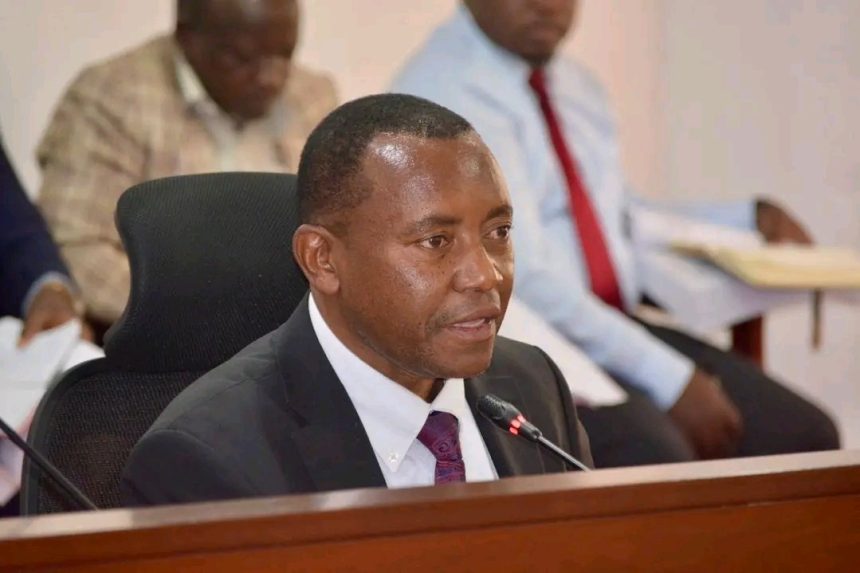
At the center of the storm is former acting Sports Kenya Director General Gabriel Komora, whose tenure coincided with the rollout of several key stadium projects now facing questions over cost and procurement integrity.
Multiple sources within the sector allege that during Komora’s time at the helm, sections of Sports Kenya officials turned the multi-billion-shilling programme into a conduit for personal gain.
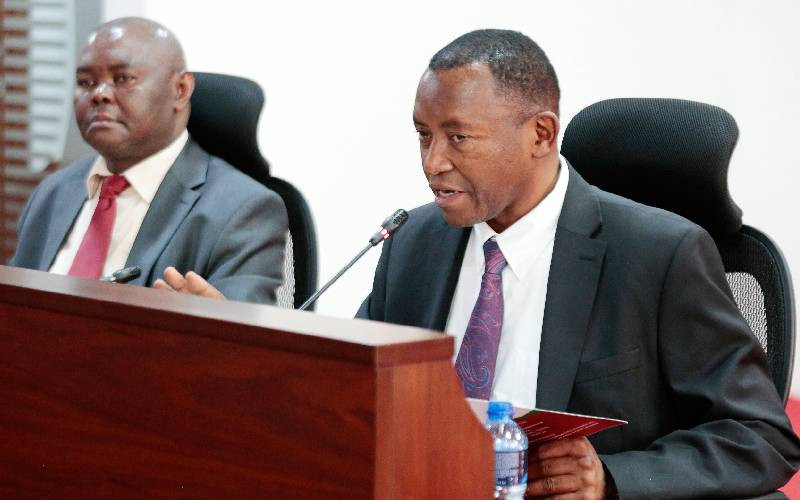
This, insiders claim, contributed to widespread inflation of project costs, with budgets ballooning far beyond initial estimates without corresponding expansion in scope.
The claims place Sports Kenya officials at the heart of a system where accountability was often secondary to expediency.
Procurement processes are said to have been manipulated to favour well-connected contractors, while oversight mechanisms either failed or were deliberately circumvented.
The result, according to those familiar with the projects, was a pattern of irregularities replicated across multiple counties.
From western Kenya to the coast and northern frontier, the same concerns appear to cut across projects.
In Kakamega, the upgrading of Bukhungu Stadium has consumed billions as it moves through phases, while in Uasin Gishu, the long-delayed Kipchoge Keino Stadium has seen repeated cost revisions and shifting timelines.
In Vihiga, Migori, Wajir and Kiambu, stadium projects launched with promise have drawn quiet questions over value for money, contractor selection and consistency in pricing, especially where similar designs carry markedly different budgets.
In some instances, projects stalled altogether before being taken over by the national government, further raising concerns about initial contract management.
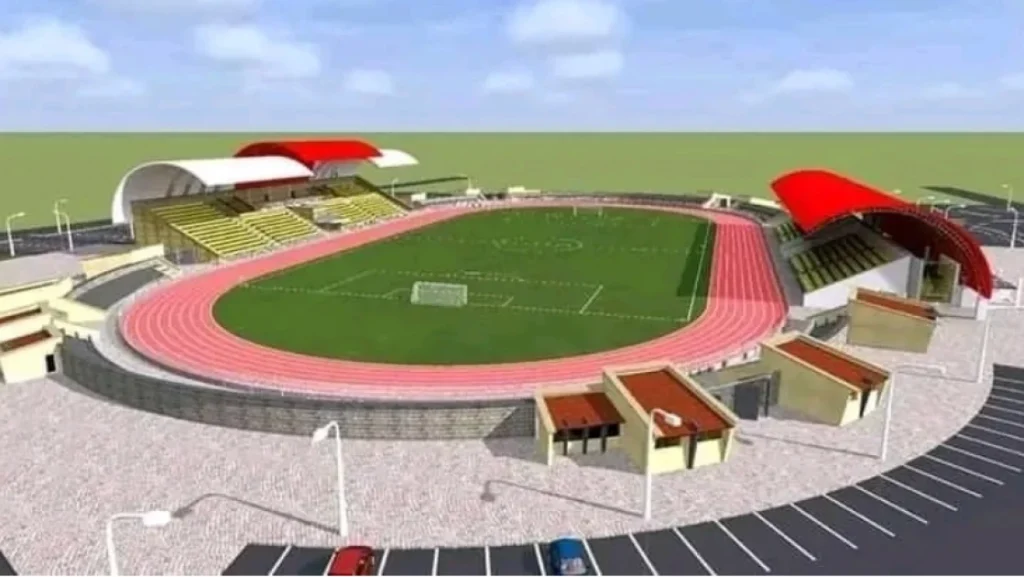
Others, such as those in Kitui and Nyeri, are nearing completion but still face lingering questions about whether the final costs accurately reflect the work delivered on the ground.
The entry of the Kenya Defence Forces into the construction process has since been interpreted by some observers as more than just a logistical intervention.
While the official position has been that KDF involvement is meant to fast-track delivery and guarantee quality, it has also exposed the extent to which confidence in civilian-led implementation had eroded.
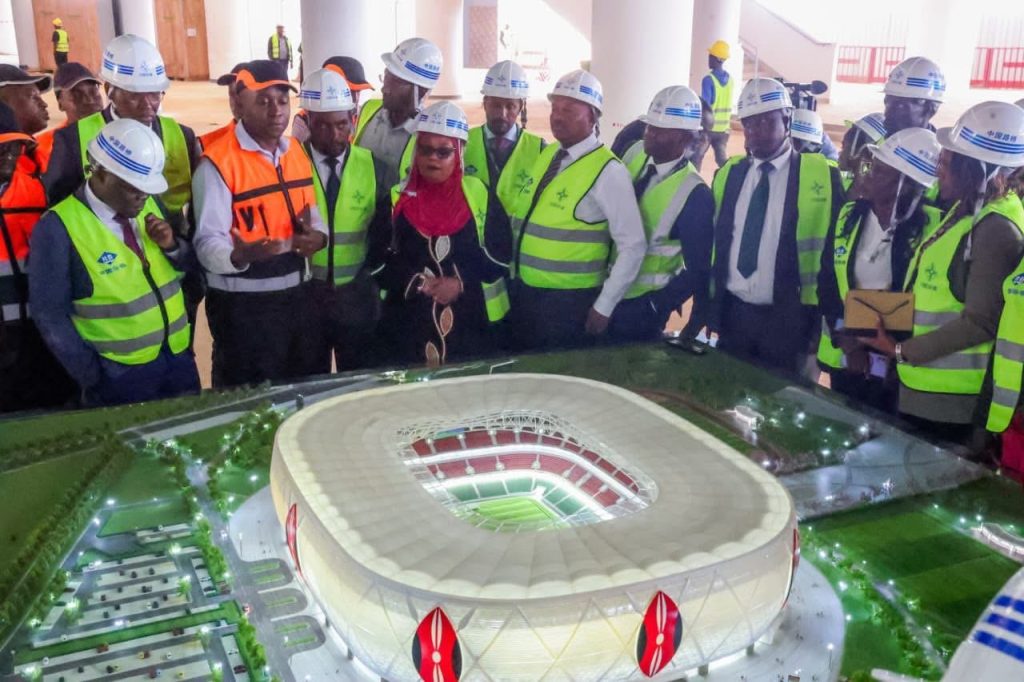
Even as the government continues to position the stadium programme as key to hosting the 2027 Africa Cup of Nations and nurturing grassroots talent, the unresolved allegations risk undermining both timelines and public trust.
Pressure is now mounting on the Ministry of Sports to subject the projects initiated during that period to comprehensive audits, with calls for transparency on how billions of shillings were allocated and spent.
Ultimately, the success of Kenya’s stadium revolution may not be judged solely by the number of arenas completed, but by whether the process withstands scrutiny.
Without accountability, what was envisioned as a legacy investment in youth development and national pride risks being remembered instead for the cost of unchecked excess.