From live-fire cooking to carefully matched pours, premium whisky is becoming part of the modern dining experience
The crackle of a fire, the aroma of wood smoke and the sizzle of meat over hot coals are increasingly becoming part of the fine-dining experience.
Live cooking and grilling stations have moved beyond their traditional association with backyard gatherings and casual barbecues to become a form of culinary theatre, bringing diners closer to the cooking process.
For chefs and hospitality brands, the appeal goes beyond the food itself. The fire, aroma, preparation and interaction create an experience that engages diners before the first bite.
At the centre of this evolving gastronomy culture is a familiar idea: good food has always been one of the simplest ways of bringing people together.
Whisky is now increasingly becoming part of that experience.
Traditionally associated with a pre- or post-dinner drink, premium whisky is finding a place alongside food as chefs and mixologists explore its complex flavour profiles.
Depending on the expression, whisky can offer notes of orchard fruits, honey, vanilla, caramel, spice, nuts and oak. These characteristics can complement food, inspire cocktails or become ingredients in marinades, glazes, sauces and desserts.
The result is a more deliberate approach to food and drink, where the whisky is not simply consumed alongside a meal but considered as another component of the overall flavour experience.
From the plate to the experience
Modern gastronomy is also increasingly about what happens around the meal.
Food lovers are seeking experiences that combine craftsmanship, storytelling, atmosphere and a sense of place. Chef-led supper clubs, destination restaurants and live-fire dining experiences have become ways for diners to engage with food beyond the conventional restaurant setting.
Kenya is particularly well placed for this shift.
Grilling is deeply embedded in the country’s food culture, from nyama choma gatherings to coastal seafood cooked over open flames. What is changing is the way these familiar traditions are being presented.
Chefs and grill masters are experimenting with premium ingredients, new techniques, carefully selected pairings and distinctive settings while retaining the communal spirit that has long defined Kenyan dining.
The result is a combination of familiarity and novelty — recognisable flavours presented through a more curated culinary experience.
A taste of the Coast
This evolution was recently showcased at Kasa Pombo, a luxury hospitality destination in Shimoni, Kwale County, where Kenyan grill duo BBQ Bandits hosted Moto wa Bahari, an elevated barbecue experience.
The weekend brought together live-fire cooking, the Kenyan Coast’s natural setting and premium whisky in a dining experience built around smoked and flame-grilled seafood and meats.
Guests travelled to Shimoni for a two-night experience that combined the food programme with the slower rhythm of the Coast, including sunset cruises, dolphin sightings and a brunch experience.
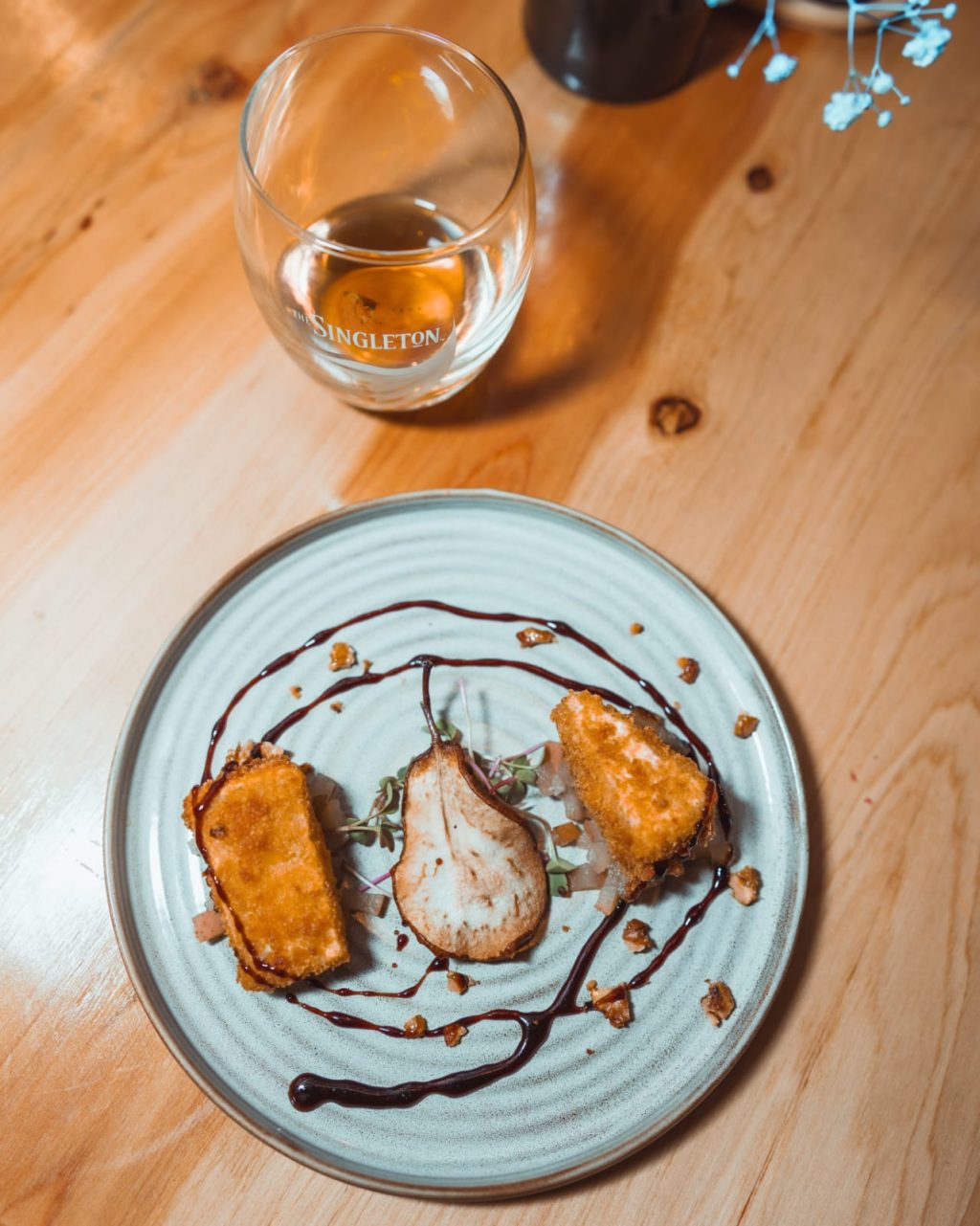
Whisky featured as part of the culinary programme, with The Singleton 18-Year-Old taking centre stage as a sipping expression. The 12- and 15-Year-Old variants were incorporated into signature cocktails, while the BBQ Bandits used selected whisky-infused sauces and accompaniments to add another layer of flavour to their dishes.
Rather than treating the whisky as a separate element, the experience brought together the drink, food, setting and preparation to create a single culinary journey.
Where food meets craftsmanship
The growing intersection between premium spirits and gastronomy reflects a broader change in how consumers view dining.
Quality is increasingly measured not only by what is served on the plate but also by the craftsmanship behind it, the environment in which it is enjoyed and the memories created around it.
For whisky, this creates an opportunity to move beyond the traditional ritual of a neat pour or an after-dinner drink and into a broader culinary conversation.
For chefs, its range of flavours provides another tool for experimentation. And for diners, it creates opportunities to discover familiar food and drink in new combinations.
Ultimately, however sophisticated the setting becomes, the underlying appeal remains simple: gathering around good food, enjoying good company and taking time to savour the moment.
That may be the most enduring connection between whisky and gastronomy — both invite people to slow down, appreciate craftsmanship and turn an ordinary meal into an occasion worth remembering.