At Mutuini Hospital, the challenge is to translate plans for improved infrastructure and expanded services into meaningful changes that patients can actually experience.
The Mutuini Hospital CEO is championing community outreach, preventive care and better access to medical services, arguing that public hospitals must do more than treat patients who walk through their doors.
A hospital’s success should not be measured by the size of its buildings or the number of patients it admits. What matters more is whether ordinary people can access quality treatment when they need it, without travelling long distances or struggling to afford basic medical services.
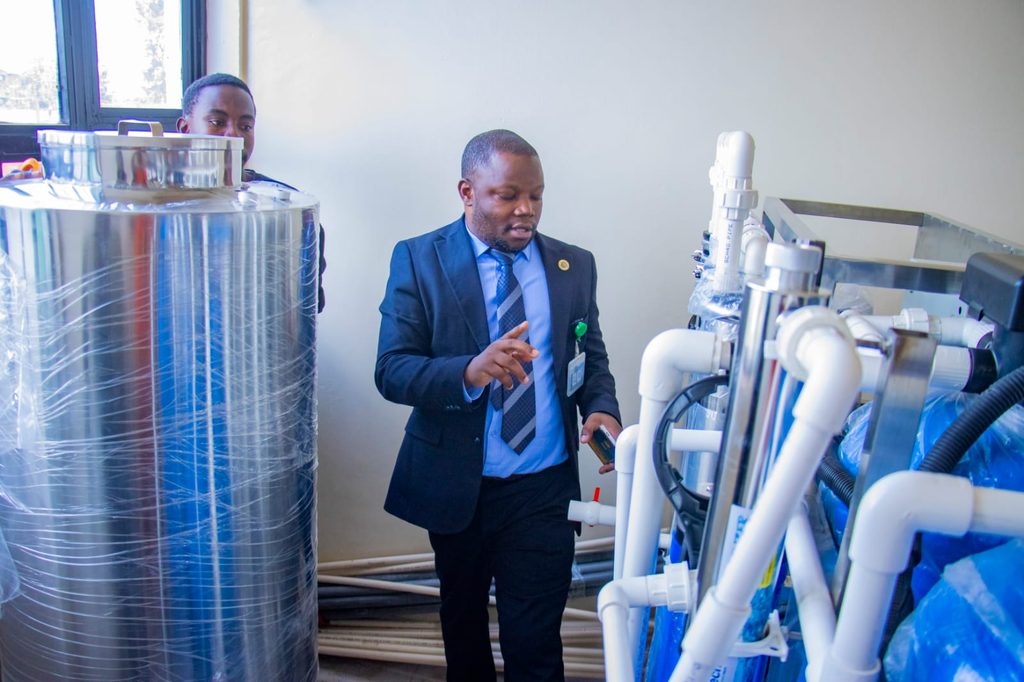
That is the approach Dr Martin Wekesa Wafula, Chief Executive Officer of Mutuini Hospital, says should guide the management of public healthcare facilities.
Speaking during an interview on Ghetto Radio, Dr Wekesa outlined a leadership philosophy that puts communities at the centre of healthcare delivery, arguing that hospitals have a responsibility that extends beyond treating patients within their walls.
His argument is particularly relevant in Nairobi’s informal settlements and underserved neighbourhoods, where many families still face difficulties accessing specialised treatment, preventive services and timely medical attention.
For him, running a public hospital is not simply about managing doctors, nurses, equipment and hospital finances. It also means understanding the health challenges facing surrounding communities and finding ways to bring services closer to the people who need them.
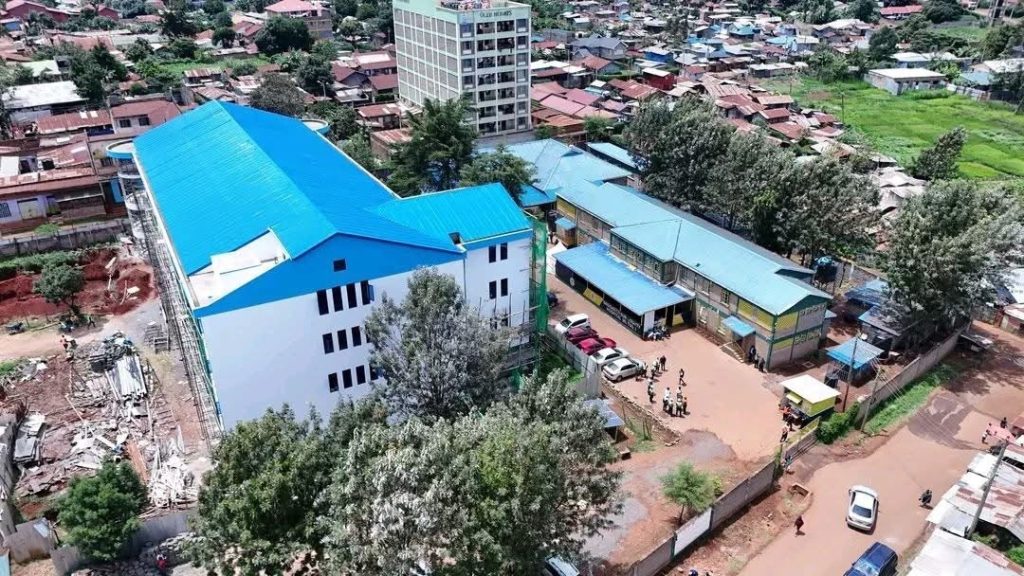
At Mutuini Hospital, the focus includes improving medical infrastructure, expanding capacity and strengthening the range of services available to residents.
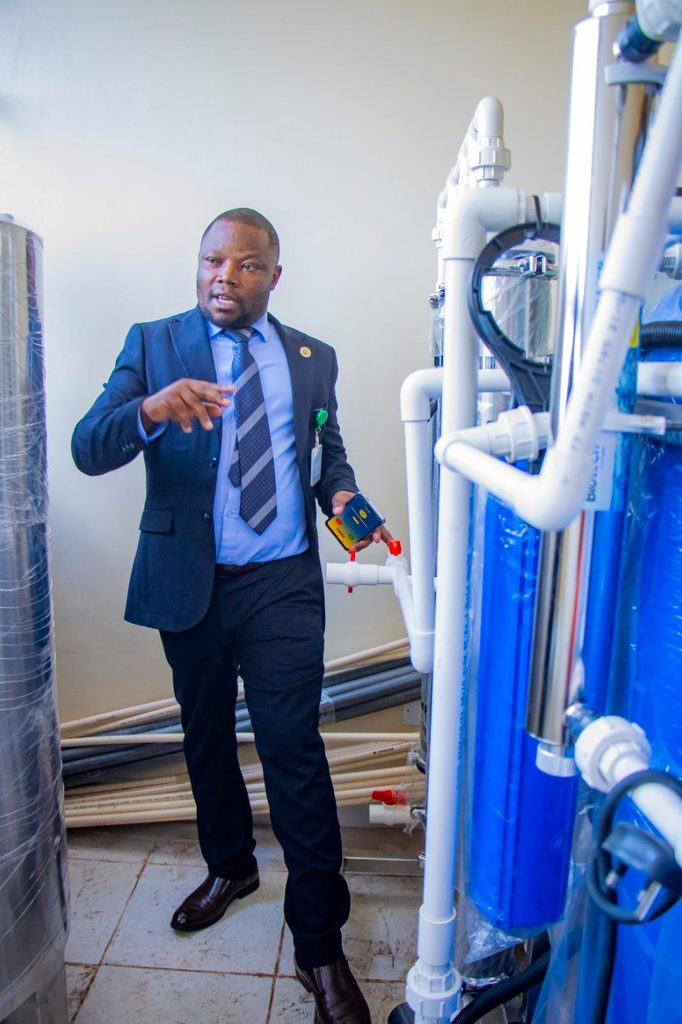
The objective is to make quality healthcare more accessible, particularly for families who might otherwise have to travel further in search of treatment.
But Dr Wekesa believes infrastructure alone will not solve the challenges facing public healthcare.
He is also placing emphasis on community outreach programmes and medical camps, which provide opportunities to reach people who may not routinely visit health facilities.
Such initiatives can help residents access basic medical services, receive health information and identify potential medical conditions before they become more serious.
He said community outreach was also important in building trust between hospitals and the people they serve.
For Dr Wekesa, communication is another important part of the equation. Residents need to understand what services are available, where to access them and why seeking medical attention early can make a difference.
His experience in Nairobi’s public healthcare system, including his association with Mama Lucy Kibaki Hospital, has given him exposure to the pressures facing large public medical facilities.
These include rising patient numbers, limited resources, staff welfare concerns and the constant demand to maintain quality standards.
Hospital administrators must find ways to balance these competing demands while ensuring that patients receive timely and professional care.
At Mutuini Hospital, the challenge is to translate plans for improved infrastructure and expanded services into meaningful changes that patients can actually experience.
Ultimately, Dr Wekesa’s approach points to a broader question about the future of public healthcare in Kenya: how can hospitals become more responsive to the communities they are meant to serve?
As healthcare reforms continue, the responsibility of hospital leaders will extend beyond implementing policies and managing facilities. Their success will increasingly be reflected in whether patients can access affordable treatment, receive timely attention and feel respected when they seek medical help.
For Dr Wekesa, the bigger mission is clear. A public hospital should not only be a place people visit when they fall sick. It should also be an active partner in keeping communities informed, healthy and able to access care.