
Planning Committee, chair Geoffrey Majiwa,
The Nairobi County Assembly has intensified its investigation into the Eastleigh building collapse that claimed eight lives, summoning the developer, architects and contractors behind the project after failing to secure their attendance during an initial inquiry.
The Assembly’s Planning Committee, chaired by Geoffrey Majiwa, on Friday grilled county planning executives led by County Executive Committee Member (CECM) Patrick Mbogo over the circumstances surrounding the collapse and the role played by county officials in approving the building.
The inquiry took a new twist after Fredrick Ochanda, the acting Deputy Assistant Director in charge of Building and Approvals at Nairobi County, admitted that although he is an architect by profession, he is not registered with the Architectural Association of Kenya (AAK).
Ochanda, whose responsibilities include evaluating architectural drawings and processing building approvals, came under scrutiny from committee members, who questioned how he could undertake professional duties involving the assessment of building designs without the required professional registration.
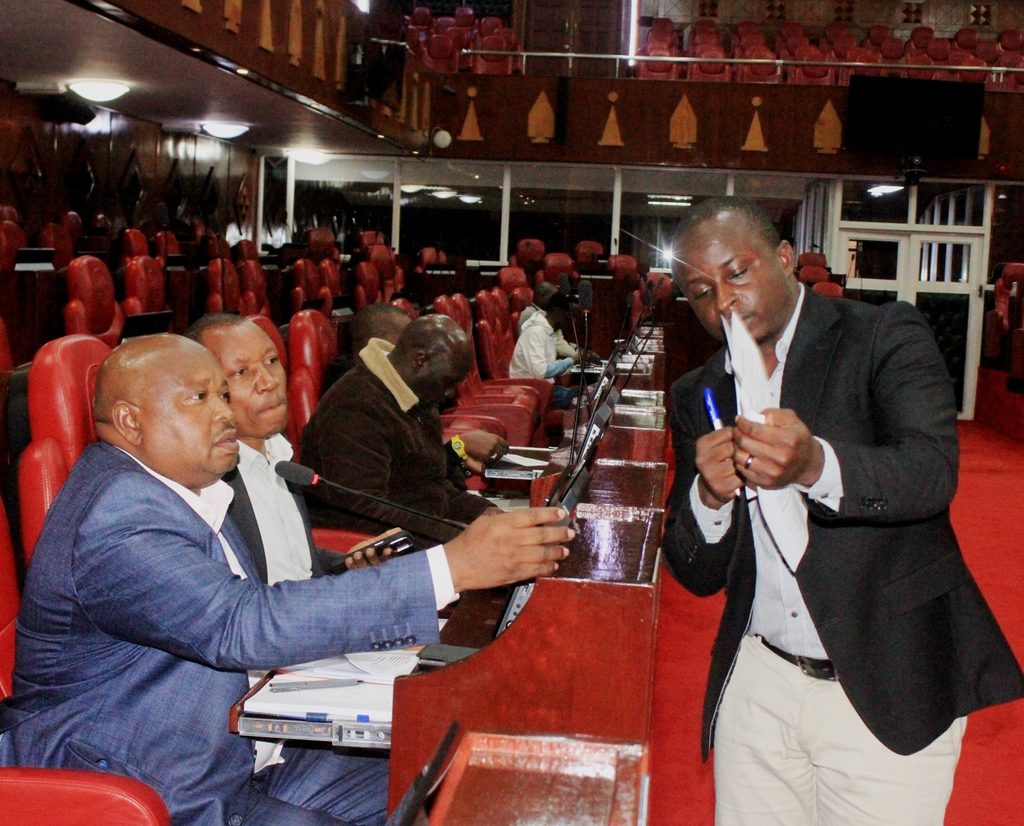
Nairobi County Majority Leader Peter Imwatok questioned the implications of having an unregistered architect involved in evaluating building plans, drawing comparisons with other regulated professions.
“An unregistered architect evaluating drawings in the city. There is a reason architects must be registered. Even advocates cannot practise without registering with the Law Society of Kenya (LSK),” Imwatok said.
The revelation raised fresh questions about the professional standards and regulatory safeguards within the county department responsible for approving construction projects across Nairobi.
The committee also sought answers from Mbogo and his team regarding the approval process for the collapsed building, including the identities of the professionals and contractors who handled the project.
However, the county executives did not appear with all the information and documentation required by the committee, prompting members to grant them additional time to prepare and return with comprehensive answers.
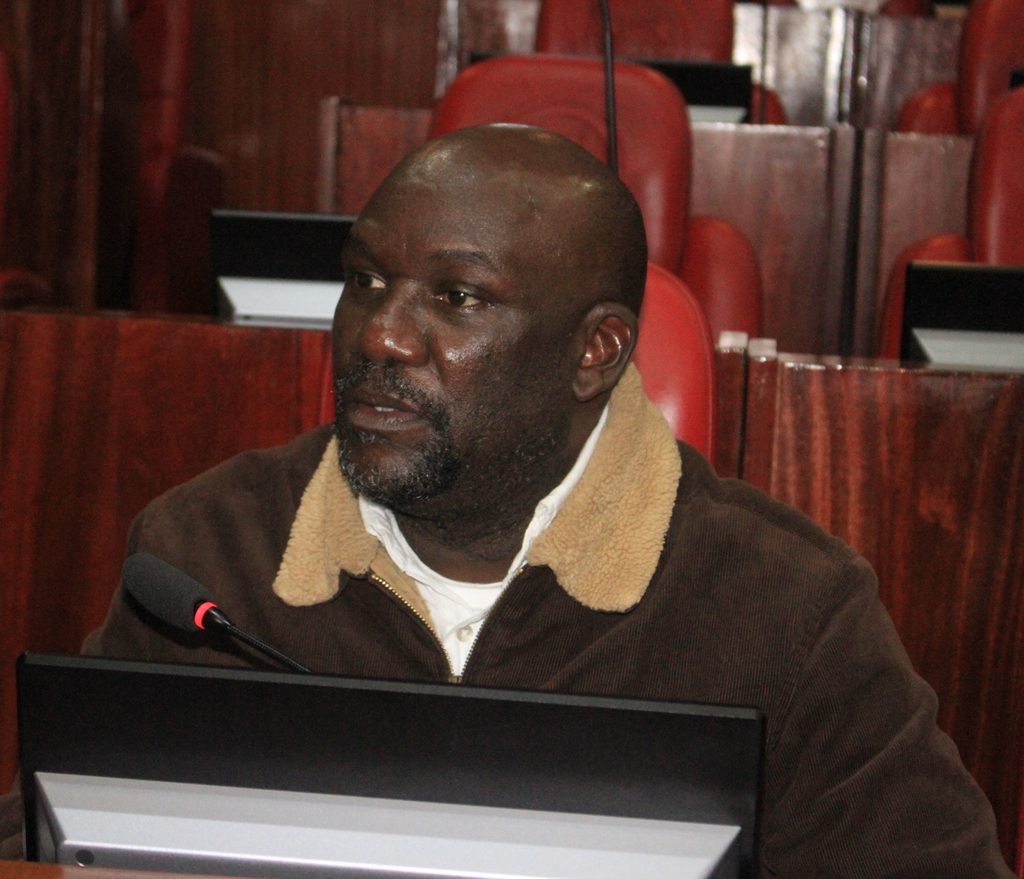
The committee also disclosed that it had invited the developer, architects and contractors associated with the project but had been unable to secure their attendance.
According to the committee, the Department of Planning had been tasked with helping trace the individuals, having interacted with them during the building approval process.
The department reportedly indicated that it was unable to reach the developer and his team, prompting the committee to demand their contact details and physical addresses to facilitate direct summons.
The committee expects the county officials and the private-sector players involved in the project to appear next week with the information needed to help establish what happened before the building collapsed.
The investigation has also drawn in officials from the Office of the Governor, with Osman Halif and David Njoroge among those invited to appear before the committee.
Their summons follows mentions of their names during the proceedings, with the committee insisting that anyone adversely mentioned must be given an opportunity to respond to the allegations.
The committee maintained that the invitations were necessary to ensure fairness and prevent individuals from being condemned without being heard.
The investigation is expected to establish the circumstances surrounding the building’s approval, the responsibilities of the county officials involved and whether the developer, contractors and professionals complied with the applicable building regulations.
With the developer and contractors yet to appear and questions emerging over professional registration within the county’s approval department, the inquiry is increasingly focusing on the accountability of both public officials and private players in Nairobi’s construction sector.