By James Nyaigoti,
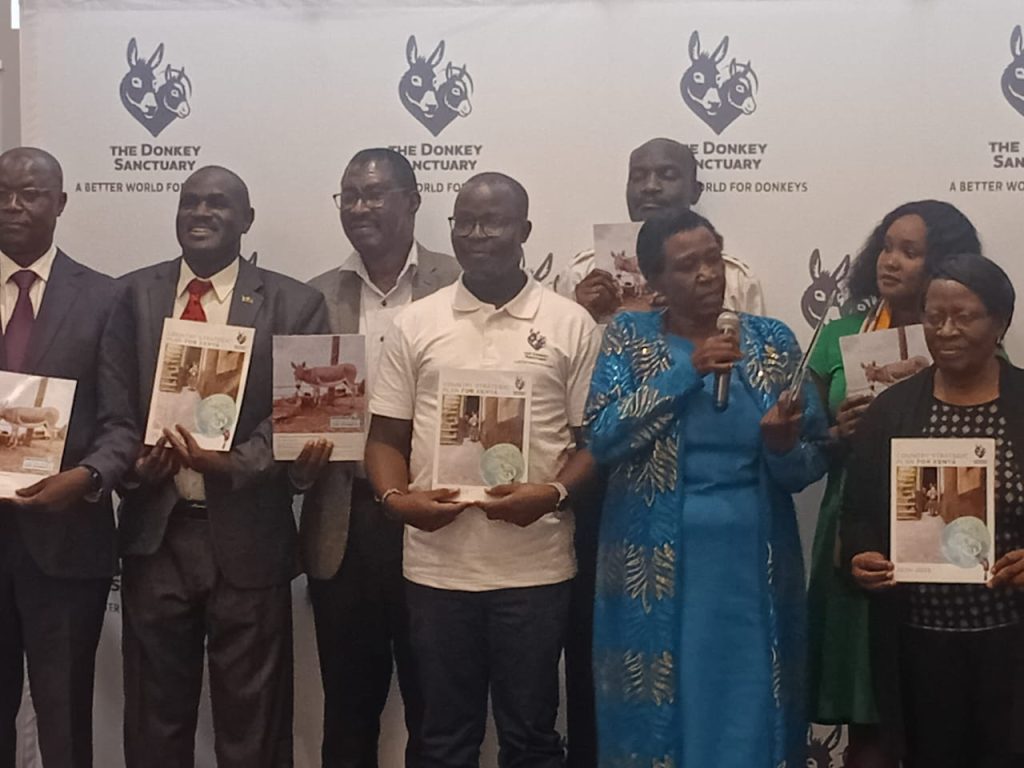
The Donkey Sanctuary has unveiled a new multi-pillar strategy designed to improve donkey welfare, expand community partnerships, and strengthen policy advocacy both locally and internationally.
The announcement was led by Country Director Dr. Solomon Onyango, who emphasized the organization’s commitment to becoming a global leader in donkey protection.
Dr. Onyango noted that donkeys remain among the most overlooked animals despite their vital role in supporting livelihoods.
“We know the young cannot speak, but from their body members we can tell when they have challenges. Since we can speak, we want people who can speak for them,” he stated.
He added that The Donkey Sanctuary aims to reach one million people globally with awareness efforts and improve service quality through operational excellence:
“Whatever we do must improve the health and welfare of donkeys in a way that is scientifically acceptable, morally acceptable, culturally acceptable, and socially acceptable.”
A major strategic focus is working directly with communities to change animal-handling practices and promote humane treatment.
“These donkeys do not live in isolation. They live in a community. If people do not change how they handle the animal, there is no way these animals are going to feel better,” he said.
Deputy Director of Veterinary Services Dr. Jane Njuguna stressed the need for stronger policies and structured capacity-building for veterinary professionals.
“Not only are donkeys valuable, they are providing essential services to people. They require policies that protect them,” she said.
She highlighted upcoming training collaborations with universities and vet schools:
“Knowledge is power. You can never do the right thing if you don’t have knowledge. We want donkey care and welfare to be strengthened through these partnerships.”
The organization is expanding feasibility studies and donkey welfare research across 15 counties, supported by veterinary experts. The studies aim to inform disaster mitigation, especially during droughts that heavily affect working animals.
“Disasters always end up with us losing many livestock,” Dr. Njuguna noted.
“We want systems that ensure donkeys are protected and can survive these shocks.”
The Sanctuary reaffirmed its long-standing presence in Lamu, where its pioneering donkey clinic has operated for more than 35 years.
“Whenever we talk about The Donkey Sanctuary, people know we are based in Lamu,” said Programs Lead Dr. Obadaya, calling the area the “anchor” of Kenya operations.
With the new strategy now in motion, The Donkey Sanctuary says it remains committed to raising the profile of donkey welfare globally and ensuring that the animals who enable transport, trade, and household survival receive the dignity and veterinary care they deserve.