Anxiety is tightening its grip on Kenyans living in Tanzania as fresh fears of unrest build ahead of the country’s Independence Day celebrations on Tuesday.
A security alert issued by the Kenyan High Commission has amplified the tension, warning citizens in Tanzania to be prepared for possible disruptions linked to expected anti-government demonstrations. The advisory urges Kenyans to stay indoors if violence erupts, avoid potential protest areas, monitor credible news sources and ensure secure lines of communication remain open.
The notice comes at a time when many Kenyans in Tanzania say they feel increasingly exposed and unfairly profiled. Their unease intensified after President Samia Suluhu suggested external forces a remark widely interpreted as pointing at Kenyans were behind the violent post-election demonstrations that shook the nation following the disputed October 29 vote.
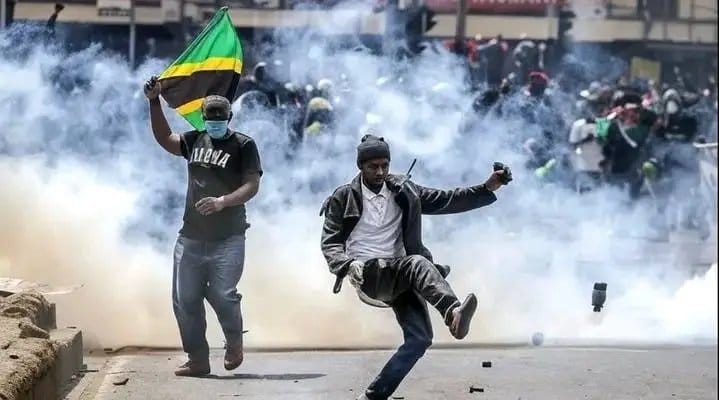
That election handed Suluhu an overwhelming 98 percent victory, but opposition figures were either arrested, blocked from running or forced into silence. Hundreds are reported to have died in clashes during and after the polls, and human rights groups have repeatedly raised alarm over the crackdown on dissent.
Now, speculation about fresh protests on Independence Day, compounded by the Tanzanian police declaring demonstrations illegal, has magnified fears that the country may once again teeter toward violence.
Foreign missions including those representing the United States, the United Kingdom and Israel have echoed Kenya’s concerns, issuing travel warnings and cautioning expatriates to prepare for curfews, blocked roads, internet shutdowns and transport disruptions.
The US Embassy placed additional restrictions on its personnel, barring domestic travel within Tanzania as of December 8. It also warned that flight cancellations, closed ferry routes to Zanzibar and suspended public transportation remain possible outcomes if tensions escalate.
For Kenyan traders, especially those who rely on cross-border movement or operate within Tanzania, the looming instability threatens not only safety but livelihoods. Supply chains could be disrupted overnight, leaving businesses stranded during a crucial holiday season.
Pressure on President Suluhu’s government continues to mount beyond diplomatic advisories. A growing list of nations among them Germany, Canada, France, Belgium and Spain have publicly questioned the credibility of Tanzania’s electoral process and the administration’s subsequent response to dissent.
International bodies have also taken position. The Commonwealth Ministerial Action Group (CMAG) has placed Tanzania on its watchlist and will revisit the matter in March 2026. The decision could result in further diplomatic consequences if the country fails to loosen restrictions on civil liberties, engage opposition groups in dialogue and conduct transparent investigations into election-related violence.
Meanwhile, Kenyans living in Tanzania are left to wait some quietly, others with growing anger hoping celebrations do not turn into another wave of chaos.
“We just want peace,” one Kenyan resident said anonymously for fear of reprisal. “No one wants to live in fear in a foreign country.”
For now, all eyes are on Tuesday a day meant to celebrate freedom, but one many now fear could become a painful reminder of the freedoms still under siege.