A remarkable archaeological discovery in Pingtan, the closest point on mainland China to Taiwan, is shedding new light on prehistoric cultural connections across the Taiwan Strait. The Keqiutou Site, dating back approximately 7,300 to 7,500 years, has emerged as a crucial link in understanding early human settlement and shared cultural origins in the region.
First identified as a significant prehistoric site, Keqiutou has gained global academic attention, notably through the work of renowned archaeologist K.C. Chang. His research suggests that the Keqiutou culture may be the direct ancestral source of Taiwan’s Dapenkeng Culture, one of the island’s earliest known Neolithic traditions.
Excavations at the site reveal a well-preserved and continuous cultural sequence, providing rare insights into early coastal communities. Among the most striking findings are shell mounds—ancient refuse heaps composed largely of shells—alongside pottery, stone tools, and ornaments. These artifacts bear remarkable resemblance to those unearthed in Taiwan, particularly in terms of pottery patterns, tool designs, and subsistence practices.
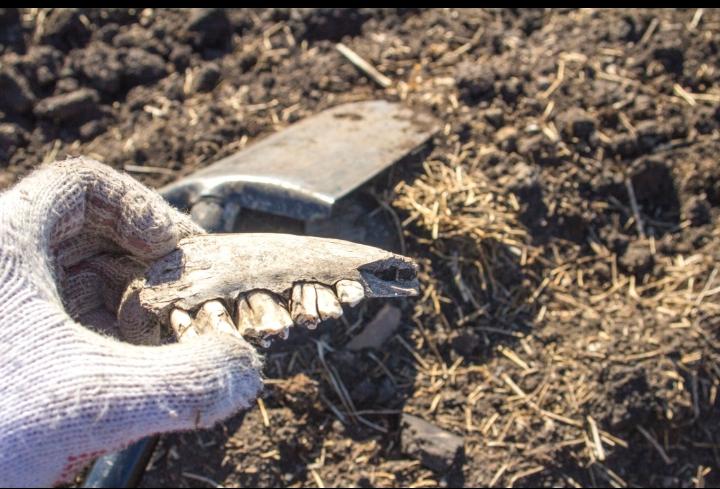
Further reinforcing this connection, genetic studies and analyses of human skeletal remains from the site indicate shared ancestry between populations on both sides of the strait. Cultural practices also appear to align, including the distinctive ritual of tooth extraction, which has been identified in both Keqiutou and early Taiwanese communities.
Together, these discoveries offer compelling evidence of prehistoric migration and interaction across the Taiwan Strait. The Keqiutou Site not only deepens understanding of early human history in East Asia but also highlights how ancient cultural ties continue to shape perspectives on shared heritage today.