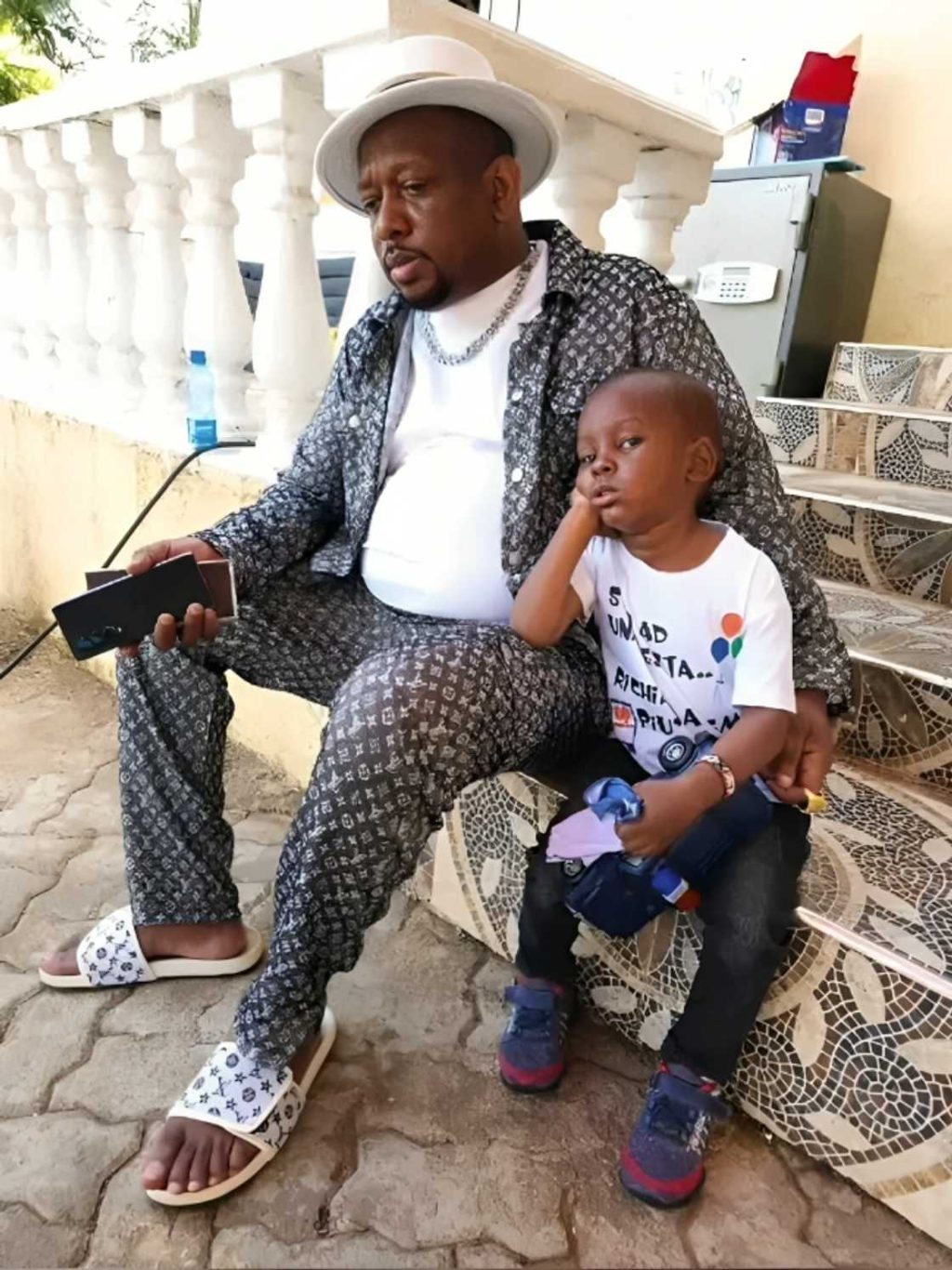
Former Nairobi Governor Mike Mbuvi Sonko has strongly defended himself against what he terms as a calculated attempt to blackmail him over the custody of Baby James, insisting his actions have always been guided by compassion and the child’s best interests.
The high-profile case dates back to early 2025 when Sonko stepped in to support the young boy after he tragically witnessed the brutal killing of his father in Mathare.
Moved by the child’s trauma and vulnerability, Sonko took him in, offering not only shelter but access to education and a stable environment.
However, what began as a humanitarian gesture has since spiraled into a bitter dispute with members of the child’s extended family. At the center of the row is the boy’s uncle, who Sonko now accuses of engaging in sustained blackmail and public smear campaigns.
According to Sonko, the fallout began after he honored a request by the family to employ the said relative.
The arrangement, he claims, was short-lived due to alleged misconduct, including indiscipline and other serious infractions.
Following his suspension, Sonko alleges the uncle turned hostile, resorting to social media attacks and demands linked to the child’s custody.
In a bold move to clear his name, Sonko released private chat messages purportedly showing attempts to coerce and intimidate him. In one exchange, he is seen telling the family to formally pursue legal channels if they wish to reclaim the child, underscoring his insistence on due process.
The former governor maintains that he holds legitimate custody documentation and has significantly improved the child’s welfare, including enrolling him in a reputable school.
He argues that abruptly removing the boy from his current environment would be disruptive and potentially harmful.
Sonko has dismissed the claims against him as self-serving and opportunistic, vowing not to succumb to pressure or intimidation.
He insists that any custody decision must prioritize the child’s safety and stability, not personal interests.
As the standoff continues, the case raises broader questions about child protection, informal guardianship, and the need for clear legal frameworks to safeguard vulnerable children from exploitation.