By David Ndolo
The Nairobi City Water and Sewerage Company has reaffirmed its commitment to ensuring Nairobi residents access clean, safe, and reliable water, even as it moves to address rising complaints over salty borehole supply in parts of the city.
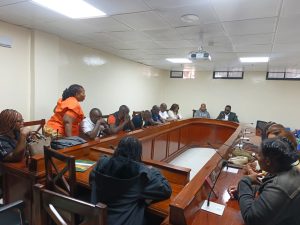
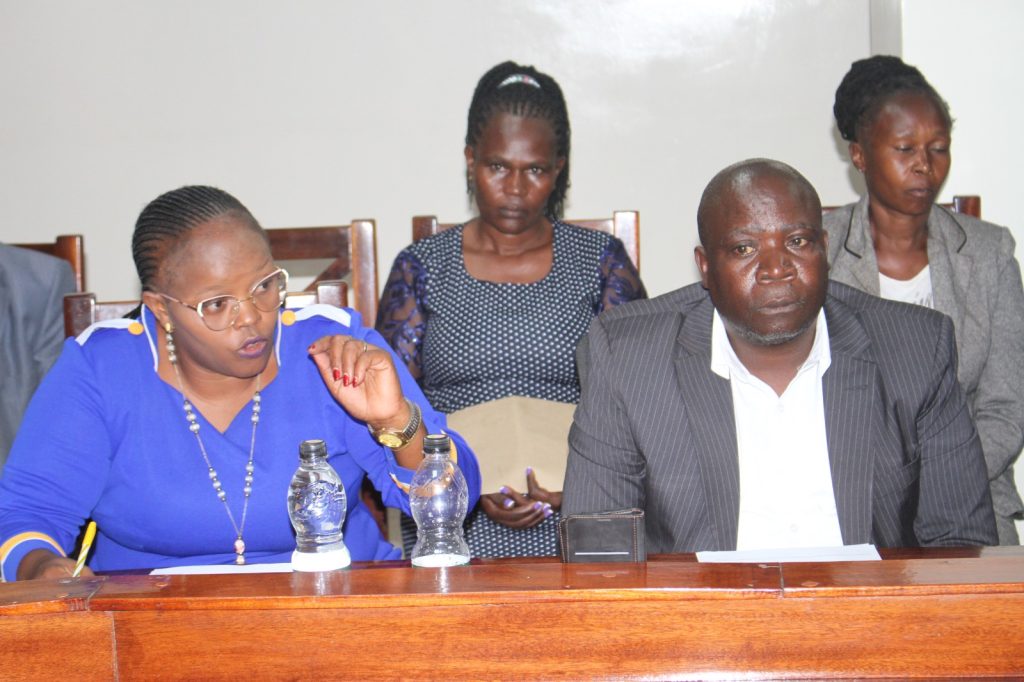
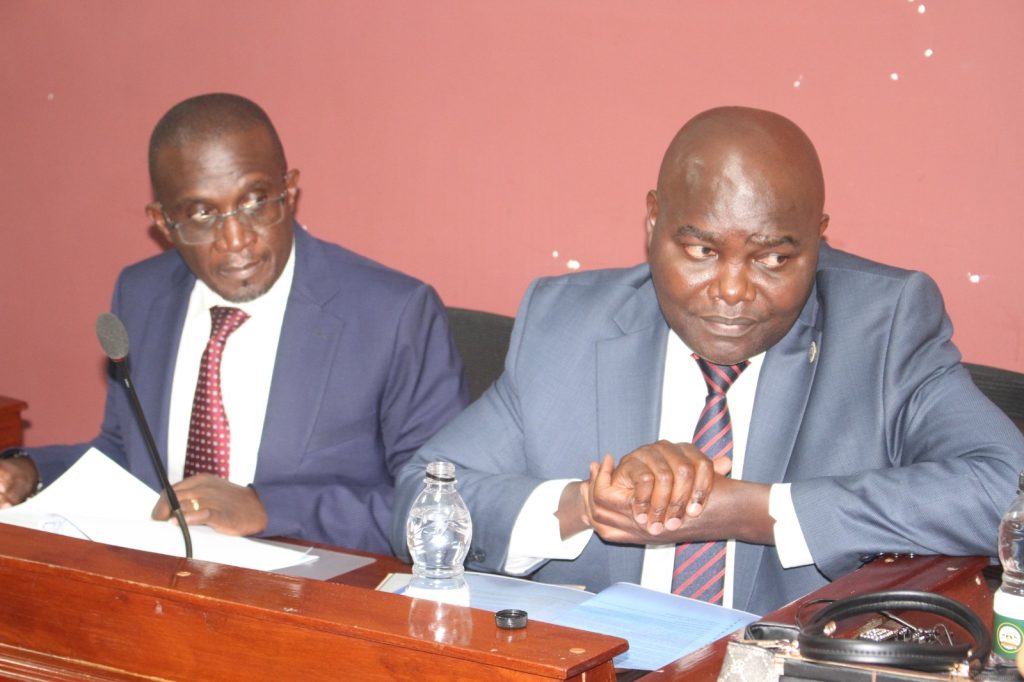
Appearing before the county assembly water committee chaired by Highrise MCA Kennedy Oyugi, Acting Managing Director Martin Nangole said the agency is deploying technical teams to work with residents, landlords, and local associations to resolve the issue.
Nangole emphasized that the intervention is not only about fixing a short-term inconvenience but protecting public health and restoring confidence in Nairobi’s water system.

The urgency of the intervention reflects a deeper, long-standing challenge in Nairobi’s water sector. Access to clean and safe water remains inconsistent, with only about half of the city’s population having direct piped connections, while many others depend on vendors, boreholes, or informal sources.
Even among those connected, supply is often intermittent, increasing the risk of contamination as water moves through aging or leaking infrastructure.
Experts warn that unreliable or poor-quality water exposes residents to serious health risks. Contaminated or untreated water is linked to diseases such as diarrhoea and other infections, which continue to affect urban populations, particularly in low-income areas.
Additionally, reliance on alternative sources like boreholes—now at the center of the salty water complaints—can introduce excessive minerals and unsafe chemical compositions, making the water unsuitable for long-term consumption.
Pressure from rapid urbanisation
Nairobi’s fast-growing population has placed immense strain on existing water infrastructure. Rapid urbanisation has outpaced supply systems, leaving many estates and informal settlements underserved.
In fact, studies show that a significant portion of residents in informal settlements still lack access to reliable and affordable clean water, forcing them to rely on expensive or unsafe alternatives.
This inequality has created a parallel water economy where vendors and private suppliers fill the gap—often at a higher cost and with questionable quality.
Nairobi’s water supply is heavily dependent on natural sources, particularly the Tana River, which provides up to 95% of the city’s water.
However, environmental degradation, including deforestation and soil erosion, has increased sedimentation in rivers, complicating water treatment and occasionally disrupting supply.
The Nature Conservancy
This makes it even more critical for agencies like Nairobi Water to ensure that whatever water reaches residents—whether from dams, treatment plants, or boreholes—meets safety standards.
Against this backdrop, Nangole told the committee that the agency has been blending borehole water with treated water to reduce salinity and minimize health risks.
However, he acknowledged that more targeted technical solutions are needed.
The planned deployment of engineers aims to assess water quality at the source, improve treatment processes, and address distribution challenges at the estate level.
The agency’s renewed commitment underscores a broader mandate: not just to supply water, but to guarantee that it is safe, affordable, and reliable for all Nairobi residents.
As pressure mounts from residents across affected areas, the success of these interventions will be key in restoring trust and ensuring that access to clean water—widely regarded as a basic human necessity—is no longer a privilege but a guarantee for every household in the capital.